Last Updated: September 7, 2026
Shopping for a kids’ study desk means navigating a market flooded with features, from motorized height adjustments to specialized tilt-tops. However, underneath the marketing gloss, finding a piece of furniture that genuinely supports a child’s posture, focus, and changing needs requires a focus on core fundamentals. Too many parents buy a miniature version of an adult desk, only to realize it lacks the adaptability required for a growing student.
This decision guide cuts through the noise to examine what actually matters when purchasing a study space for your child. By focusing on ergonomic alignment, material safety, and realistic sizing rather than fleeting aesthetic trends, you can invest in a workstation that adapts seamlessly from early elementary homework sessions through middle school projects without needing an early replacement.
As an Amazon Associate we earn from qualifying purchases at no extra cost to you.

📄 In This Review
Height Adjustability and Growth Accommodation
Children grow at an unpredictable pace, making static-height desks a short-term solution. When evaluating study desks, prioritize models that offer mechanical hand-cranks, gas-spring lifts, or stable pin-adjustments. A proper ergonomic setup requires the child’s feet to rest flat on the floor with elbows bent at a comfortable ninety-degree angle when typing, writing, or reading.
Look for adjustment ranges that can accommodate children from early elementary years well into their teens. Desks that feature incremental locking mechanisms offer reliable stability, while smooth pneumatic lifts allow older children to adjust the height independently as their daily study habits and postural needs evolve.
Surface Area and Material Durability
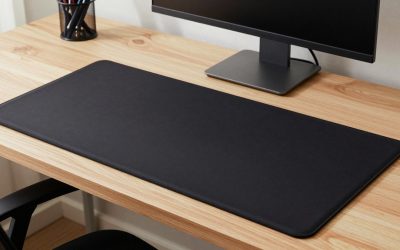
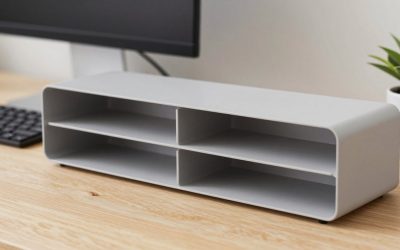
See also: Best Gaming Desk Pads for Full Desk Coverage • Best Desk Organizers Under $30: Match the Organizer to Your Clutter
A child’s desk serves multiple masters: art station, science lab, snack bar, and computer terminal. Therefore, the desktop material must endure heavy daily wear and tear. High-pressure laminate surfaces or solid hardwoods coated with scratch-resistant, non-toxic finishes stand up significantly better to wandering markers, craft glue, and heavy textbooks than thin veneer wraps.
Regarding surface area, avoid overly cramped workspaces that barely fit a laptop and a notebook. A standard rectangular footprint provides enough lateral space for both a computer monitor or tablet and an open textbook simultaneously. Rounded corners and durable edge banding are non-negotiable safety features to prevent bruises during active study sessions.
The Practicality of Tilt-Top Desks
Tilt-top desks have surged in popularity, marketed as posture-saving wonders. While angling the desktop can indeed reduce neck strain during extensive reading or drawing sessions, it introduces a major operational flaw: things tend to slide off. If you choose a desk with a tilting mechanism, ensure it features a sturdy pencil stopper ledge at the bottom edge.
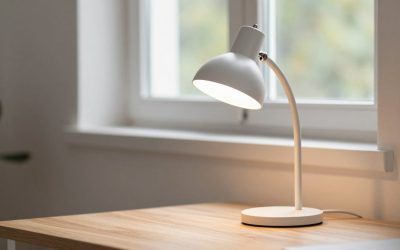
Furthermore, look for hybrid designs where only a portion of the desktop tilts, leaving a flat side section available for a cup of pens, a desk lamp, or a digital device. This split-surface approach provides the ergonomic benefits of an angled reading board without sacrificing everyday utility and workspace organization.
Integrated Storage Versus Standalone Organization
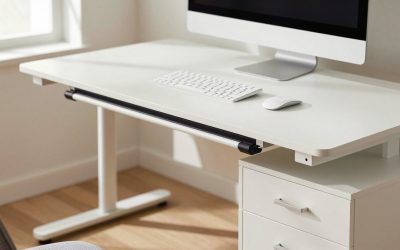
Storage is essential for keeping a study space tidy, but built-in drawers and hutches can severely limit legroom and create clutter traps. When a desk has permanent under-mount drawers, verify that your child still has plenty of vertical and horizontal clearance to sit comfortably without constantly bumping their knees.
In many cases, modular storage solutions—such as rolling pedestals, open cubbies, or under-desk rolling carts—offer superior flexibility. They can be easily rearranged as the child’s organizational needs change or moved entirely out of the way when floor space is at a premium for group projects or creative play.
Safety Standards and Non-Toxic Finishes
Children spend hours sitting close to their study furniture, making material safety a critical consideration. Verify that any desk you consider complies with low-emission standards for volatile organic compounds, ensuring that glues and particle board binders do not off-gas harmful chemicals into a bedroom or study area.
Hardware stability is equally important. Heavy desks should include anti-tip wall anchoring kits, especially if the design features tall attached shelving units or top-heavy adjustable mechanisms. Check that all moving parts, such as folding brackets or lift columns, feature pinch-guard designs to protect small fingers from accidental injuries.
Positioning and Room Layout Integration
Even the best-designed desk will fail to encourage good study habits if placed in a high-distraction zone or a poor lighting environment. Position the desk to receive adequate natural light from the side—rather than directly behind or in front—to minimize computer screen glare and reduce daily eye strain.
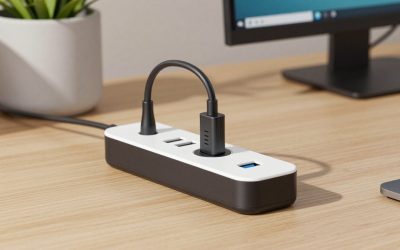
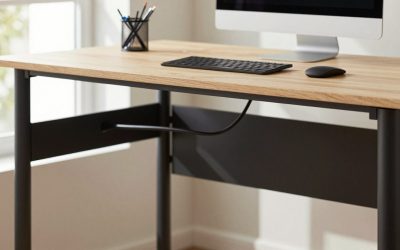
Consider the room’s electrical layout as well. Desks that integrate built-in cable management channels or power grommets make it much easier to keep charging cords for tablets and desk lamps neatly organized, reducing the visual clutter that often contributes to a distracted studying environment.
Related Guides
To explore more furniture options and configurations for your home workspace or children’s rooms, take a look at our curated resources: find top-rated options in our Best Kids Study Desks in 2026: Compared and Ranked guide, explore broader setups in the Best Kids Desks in 2026: Compared and Ranked overview, or check out alternative styling choices via our Best Vanity Desks in 2026: Compared and Ranked selection.
FAQ
At what age should I buy an adjustable-height desk for my child?
Adjustable-height desks are beneficial starting around age six or seven, when children begin spending more structured time sitting down for homework. Investing in an adjustable model early on ensures the desk grows with them, preventing poor posture habits formed by using oversized adult furniture.
Are tilt-top desks actually necessary for homework?
Tilt-top desks are not strictly necessary, but they can significantly help with posture during heavy reading or drawing tasks. If your child primarily uses a computer or standard notebook, a flat desk with a good adjustable chair is usually more than sufficient.
How much weight should a quality kids’ study desk support?
A durable kids’ desk should comfortably support at least one hundred pounds of evenly distributed weight. This ensures the surface easily handles heavy textbooks, computers, and the occasional resting of elbows or body weight without structural strain.
How can I prevent cable clutter on a child’s desk?
Choose a desk that features integrated cable management trays, grommet holes, or simple under-desk raceways. Pairing these features with velcro ties keeps power bricks and charging cords safely tucked away and out of a child’s reach.
Related Reviews & Guides


6 Best Under Desk Treadmill For Home 2026

6 Best Desk And Bookshelf Combinations 2026