Last Updated: September 29, 2026
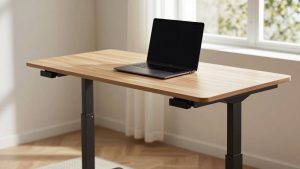
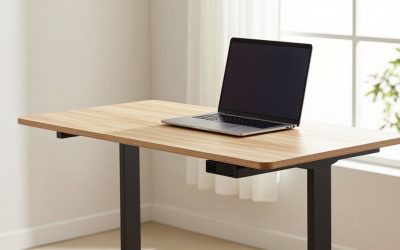
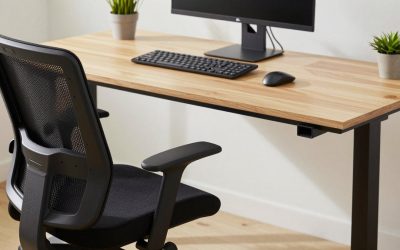
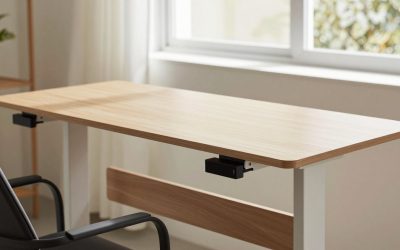
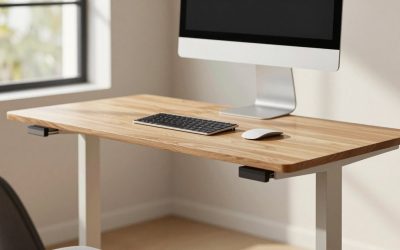
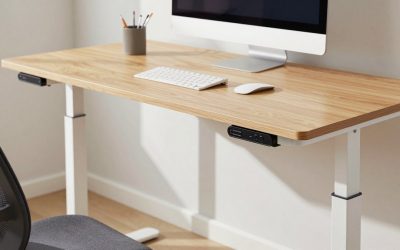
A 60 x 30 standing desk is the right size if you need true dual-monitor depth, room for a full keyboard and mouse setup, and enough width for two people or large peripherals without crowding your wall — but you need at least 9 feet of wall width and 7 feet of total depth once you account for chair pull-back and standing clearance.
📄 In This Review
What a 60 x 30 Footprint Actually Takes Up
The desktop itself is 5 feet wide by 2.5 feet deep, which is 12.5 square feet of surface. That sounds manageable on paper, but the functional footprint is larger. You need clearance behind the desk for cables and movement, and in front for your chair and for standing.
Here is the real space you should plan for:
| Measurement | Minimum | Comfortable | Why It Matters |
|---|---|---|---|
| Wall width needed for desk | 66 inches (60″ desk + 3″ each side) | 72 inches | Allows for cable management, power strip access, and not scraping walls when raising |
| Total depth with chair (sitting) | 78 inches (30″ desk + 24″ chair pull-back + 24″ passage behind chair) | 84-90 inches | Lets someone walk behind you while seated; required by most office ergonomics guidelines |
| Total depth for standing use | 60 inches (30″ desk + 30″ anti-fatigue mat and step-back space) | 66 inches | Gives you room to shift weight, stretch, and not hit the wall behind you |
| Side clearance to adjacent furniture | 30 inches | 36 inches | ADA and ergonomic standard for chair egress and side access |
| Height clearance above desk | 48 inches to shelf or wall cabinet | 54+ inches | Prevents monitor from hitting overhead storage at max standing height (typically 47-50″) |
In a standard 10×12 ft bedroom or home office, a 60 x 30 desk fits well along the 10-foot wall, leaving about 54 inches of remaining depth if centered. That leaves enough room for a bookshelf or file cabinet on the opposite wall, but not much else. On the 12-foot wall, it leaves even more breathing room. In a 9×9 ft room or smaller, the same desk will dominate the space and leave only a narrow walkway.
Why 30 Inches of Depth Matters for Dual Monitors
See also: Best 49 Inch Monitor: Eight Super Ultrawides Compared by Bandwidth and Desk Depth • Working Table for Home: Sit-Stand and L-Shaped Setups Compared
Depth is where the 60 x 30 standing desk earns its reputation. Most people focus on width, but depth determines eye strain, posture, and whether you can actually use two monitors without turning your head constantly.
For ergonomic viewing, your eyes should be 20 to 30 inches from the screen. With a 30-inch deep desk:
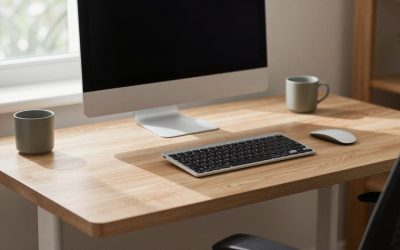
- Dual 24-inch monitors on stands: Bases sit 8-9 inches from the back edge, leaving 21-22 inches to your eyes — right in the ideal zone. You still have 7-8 inches in front for keyboard and wrist rest.
- Dual 27-inch monitors on arms: A clamp-on arm reclaims 5-6 inches of depth. This gives you 26-28 inches of viewing distance and leaves almost 12 inches of usable front depth, which is far more comfortable for long sessions.
- Laptop + external monitor: 30 inches lets you place a laptop to the side without pushing your main monitor too close.
With a shallower 24-inch deep desk, a monitor stand pushes the screen to within 15-18 inches of your eyes, which is too close for large monitors and forces you to push the keyboard to the very edge. That is the primary reason people regret buying a narrow desk, even if the width seemed sufficient.
60 x 30 vs. 55 x 30 vs. 48 x 30: Which Width Actually Fits
Width controls how much you can spread out horizontally. All three depths give you the same ergonomic viewing distance, but the experience is very different.
48 x 30 standing desk
A 48 x 30 is 4 feet wide. It holds two 24-inch monitors edge-to-edge with almost no leftover space, or one 27-32 inch ultrawide with room for speakers. It is the best pick if your wall space is 60 inches or less, for dorm rooms, alcoves, or small apartments where every inch counts. The trade-off is that you will have to stack peripherals vertically — think monitor arm instead of stands, and a compact keyboard — to keep work space.
55 x 30 standing desk
A 55 x 30 splits the difference. You gain 7 inches over the 48-inch model, which is enough for a second monitor plus a small desk lamp or notebook without feeling cramped. It fits walls that are 62 to 68 inches wide where a full 60-inch desk would be tight against trim or corners. For many renters and those in 10×10 ft rooms, the 55-inch width feels like a full-size desk without overwhelming the room. Brands like UPLIFT Desk, FlexiSpot, and Vari offer this intermediate size specifically for that reason, usually $400–$700 depending on frame and top material.
60 x 30 standing desk
The 60-inch width gives you 12 inches more than the 48-inch version. That extra foot lets you keep dual monitors on their original stands, add a desktop mic, tablet, or printer, and still have clear mousing space. It is also the minimum width most people find comfortable if two people ever need to collaborate at the desk. If you have at least 72 inches of wall and need a true multi-tasking surface, 60 x 30 is the more future-proof choice, typically $350–$800 for electric frames with laminate or bamboo tops.
Decision Matrix: Should You Choose 60 x 30?
| Your Situation | Best Fit | Reason |
|---|---|---|
| Small apartment / room under 9×10 ft | 48 x 30 | Preserves 36″ walkway and leaves room for bed or storage |
| Renter with 60-70″ wall between windows/closet | 55 x 30 | Fits without blocking trim; still supports dual monitors on arms |
| Home office 10×12 ft, dual monitors + peripherals | 60 x 30 | Full ergonomic depth and width with clearance to spare |
| Back or neck pain, need frequent posture changes | 60 x 30 with dual motors | Stable at standing height (47″+), less wobble encourages more standing time |
| Kids and pets at home | 60 x 30 with rounded edges / T-frame | C-frame leaves less leg entrapment space; rounded corners reduce injury risk |
| Frequent moves or upstairs apartment | 48 x 30 or 55 x 30 | Lighter, easier through doorways (see below) |
Assembly, Moving, and Durability Realities
Product listings show the desk dimensions, but not what it is like to get it into your room and live with it.
Box weight and delivery: A 60 x 30 electric standing desk typically ships in two boxes: frame box at 60-75 lbs and desktop box at 50-70 lbs. Total shipped weight is 110-145 lbs. Most carriers will curbside drop; you will need two people or a dolly to carry upstairs. A 48 x 30 version ships 15-20 lbs lighter overall.
Doorway and stair fit: The desktop is the tightest piece. A 60-inch top will not turn through a 28-inch interior doorway if carried flat. Carry it on edge vertically. Standard interior doors are 30-32 inches wide, and hallways are 36 inches, so measure your path from entry to office before ordering. Elevators in older apartment buildings are often only 68 inches wide, which makes a 60-inch box a tight fit diagonally.
Frame type and stability: At 60 inches wide, a single-motor frame will show more lateral wobble at full standing height (around 47-50 inches) than a dual-motor frame. If you plan to stand above 44 inches tall or keep 30+ lbs of equipment on the desk, a dual-motor, three-stage frame is worth the extra $100–$200. Weight capacity is usually $220–$310$ lbs for dual-motor models, compared to $150–$220$ lbs for single-motor.
What wears first: On laminate tops, the front edge and screw inserts for the control box loosen first after 2-3 years of daily height changes. Bamboo and solid wood tops resist screw pull-out better but can show dents from chair arms. Metal frames rarely fail, but the hand controller and anti-collision sensor are the most common electronics to replace. Look for a frame warranty of 5-10 years and a top warranty of 2-5 years as a market standard.
Height range check: Measure your seated elbow height and standing elbow height. Most electric 60 x 30 desks adjust from 24-25 inches low to 48-50 inches high. If you are under 5’4″ or over 6’2″, verify the range includes your ideal numbers: seated desk height is typically 22-26 inches for shorter users and 28-30 inches for taller users; standing height is 37-44 inches for most adults.
How to Measure Your Room Before You Order
Use painter’s tape to mark the 60 x 30 rectangle on the floor where you plan to place it. Then take these three measurements:
- From the taped front edge, pull your chair back as if standing up. You need at least 24 inches behind the chair back to stand and push in without hitting the wall or bed.
- Raise your arms as if adjusting a monitor at standing height. Check that you have 20 inches above the taped surface to any shelf or window valance.
- Measure the narrowest point on your delivery path — doorway, hallway turn, or stair landing. You need 62 inches of straight clearance to carry the top flat, or 32 inches of width to carry it on edge.
If any of those measurements fail, a 55 x 30 or 48 x 30 with a monitor arm will give you nearly the same ergonomic benefit while saving critical inches. If all three pass, the 60 x 30 will feel spacious rather than oversized, and you will not need to replace it when you add a second monitor or larger peripherals later.
Related Reviews & Guides
Standing Desk Won’t Go Up? 9 Fixes to Try Before You Call Support
Adjustable Standing Desks for Small Spaces: Sizing by Room, Not Spec Sheet