Last Updated: September 29, 2026
The Sihoo Doro C300 lands in an awkwardly attractive spot: it borrows the visual language and dynamic-support ideas of chairs that cost three or four times as much, then sells them at a mid-range price. For anyone who has been eyeing a premium mesh task chair but stalling at the checkout, it is one of the most talked-about “value ergonomic” options in the home-office space. This review walks through who it actually fits, what its adjustments really do, and where the compromises show up after a few weeks of daily use.
📄 In This Review
What you’re buying
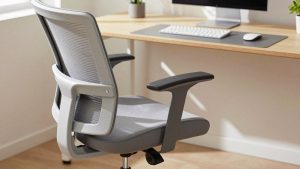
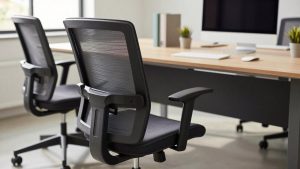
The Doro C300 is a full-mesh ergonomic task chair with a self-adaptive lumbar system, adjustable arms, and an anti-gravity tilt mechanism. The headline feature is the dynamic lumbar band that flexes with your spine as you recline rather than sitting as a fixed bump. It is aimed at knowledge workers who sit six to ten hours a day and want breathable support without stepping up to a four-figure chair.
Fit and body range
Sihoo positions the C300 for users roughly 5’3″ to 6’2″ and up to around 300 lb, which covers most adults but leaves very tall or very short people checking the numbers carefully. The seat depth is fixed on this model, so if your thighs are unusually long or short, test the pan before committing. Mesh seats run firmer than foam; people who love a plush cushion may find it flatter than expected.
Adjustments that matter
See also: Best Roku Streaming Deals Reviewed • Olipop Flavors Ranked: Best Tastes from Worst to Best
The value of any ergonomic chair is in how many contact points you can tune. Here is how the C300 compares to the two tiers it competes against.
| Adjustment | Sihoo Doro C300 | Budget mesh chair | Premium ($900+) |
|---|---|---|---|
| Backrest height | Dynamic auto-lumbar | Fixed or none | Manual + depth |
| Armrests | 3D–4D (height, depth, pivot) | Fixed or 1D | 4D standard |
| Recline range | ~127° with lock | ~110° | Up to 135° |
| Seat depth | Fixed | Fixed | Adjustable slider |
| Weight capacity | ~300 lb | 220–250 lb | 300–400 lb |
| Warranty | 3–5 years (region-dependent) | 1 year | 10–12 years |
| Price band | $250–350 | $120–200 | $900–1,600 |
The 3D/4D arms are the standout at this price. They move up, forward and back, and pivot inward, which lets you support your forearms whether you type close to the desk or lean back to read. The recline is genuinely deep, and the tension is easy to set with a large knob under the seat.
Living with it
Assembly takes about 15–20 minutes with the included tools, and the box arrives heavy at roughly 45–55 lb. Once built, the dynamic lumbar earns its keep during long sessions: because it tracks your movement, you get less of the “one perfect posture or nothing” feeling that fixed lumbar bumps create. Over a full workday that translates to fewer conscious posture resets.
Where it compromises
The fixed seat depth is the biggest limitation for serious ergonomics, and the mesh seat edge can feel firm under the thighs for some users. The headrest, where included, is functional rather than luxurious. And while the tilt is smooth, the C300 does not offer the forward-tilt seat some standing-desk users want for perched postures.
Build quality and casters
At this price the frame mixes reinforced nylon with a metal base, and the gas lift is a standard Class 3 or Class 4 cylinder rated for daily use. The casters roll smoothly on hard floors; if you sit on carpet, expect a little more effort, and consider a chair mat to protect both the wheels and the floor. Nothing about the C300 feels flimsy, but the plastic armrest housings are the parts most likely to show wear after years of heavy leaning, so treat them gently and they will outlast the warranty comfortably.
Who should buy it
Buy the Doro C300 if you want most of the premium-chair experience—breathable mesh, deep recline, multi-axis arms, adaptive lumbar—without the premium invoice. It is a strong match for full-time remote workers, students, and anyone upgrading from a builder-grade office chair. Skip it if you need adjustable seat depth, a 10-year warranty, or a plush foam seat; in those cases the extra money for a top-tier chair is justified.
FAQ
Is the Sihoo Doro C300 good for tall users?
It comfortably handles people up to about 6’2″. Taller users can still sit in it, but should confirm the backrest height and headrest position give enough neck support, since the seat depth is fixed and cannot be extended for very long legs.
How does the mesh hold up over time?
Quality elastomeric mesh resists sagging better than cheap nylon mesh, and the tensioned weave on the C300 is designed to keep its shape for years. Keep it out of prolonged direct sunlight, which degrades any mesh, and the seat should stay supportive through the warranty window.
Bottom line
The Sihoo Doro C300 is one of the clearest value picks in ergonomic seating: it delivers adaptive lumbar support, a deep locking recline, and multi-axis armrests at a price that undercuts the chairs it visually resembles. The fixed seat depth and firm mesh edge are real trade-offs, but for the majority of home-office workers who just want to sit comfortably for a long day without spending four figures, it hits the target squarely.
Related Reviews & Guides



best ergonomic office chair for tall people
Docking station buying guide ports explained