Last Updated: October 9, 2026
- Motor Power and Continuous Horsepower (CHP)
- Deck Height, Ergonomics, and Clearance
- Maximum Weight Capacity and Structural Stability
- Speed Ranges and Safety Features
- Noise Levels and Workspace Disruption
- Console Design, Data Tracking, and App Integration
- Assembly, Footprint, and Floor Protection
- Related Guides
- FAQ
- Related Guides
Setting up an active workstation can completely transform your daily routine, keeping you moving while you knock out emails or attend virtual meetings. However, buying an integrated treadmill desk—where the walking base and the desk frame are engineered as a single, cohesive unit—requires a different approach than buying a standard standing desk and sliding a random walking pad underneath. As the workplace evolves through 2026, manufacturers have refined these all-in-one systems to provide better stability, smoother motor response, and sleeker aesthetics that fit seamlessly into modern home offices.
To make the right investment, you need to look past marketing hype and focus on the structural and mechanical elements that dictate daily usability, safety, and long-term durability. Whether you work a full-time desk job or just want to log a few extra miles while handling lighter administrative tasks, choosing the correct integrated workstation prevents buyer’s remorse and keeps your workspace stable. Let us break down the critical factors that actually matter when shopping for your setup so you can make an informed, confident purchase.
As an Amazon Associate we earn from qualifying purchases at no extra cost to you.

📄 In This Review
- Motor Power and Continuous Horsepower (CHP)
- Deck Height, Ergonomics, and Clearance
- Maximum Weight Capacity and Structural Stability
- Speed Ranges and Safety Features
- Noise Levels and Workspace Disruption
- Console Design, Data Tracking, and App Integration
- Assembly, Footprint, and Floor Protection
- Related Guides
- FAQ
- Related Guides
Motor Power and Continuous Horsepower (CHP)
When evaluating a treadmill desk, the motor is the heart of the machine, but not all motors are created equal. Unlike running treadmills built for short, high-intensity bursts, walking treadmills require high torque at very low speeds. Look for a motor rated for Continuous Horsepower (CHP) rather than peak horsepower. A motor with a reliable CHP rating will not bog down, hesitate, or overheat when you are walking at a slow pace of one to two miles per hour for hours at a time. Cheaper motors struggle with continuous low-speed friction, leading to premature burnout or jerky belt movements that can throw off your typing rhythm.
Deck Height, Ergonomics, and Clearance
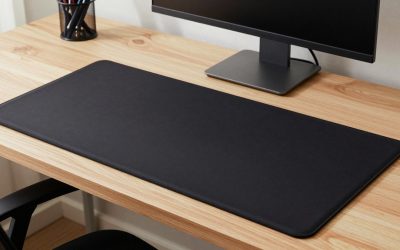
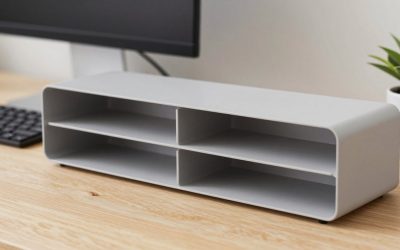
See also: Best Gaming Desk Pads for Full Desk Coverage • Best Desk Organizers Under $30: Match the Organizer to Your Clutter
Ergonomics are crucial when combining typing with walking because your feet are elevated a few inches above the floor on the treadmill deck. This extra height changes your relationship with the desktop, keyboard tray, and monitor. An integrated workstation solves many height-mismatch issues by designing the desk frame specifically around the treadmill base, ensuring proper clearance. However, you still need to check the minimum and maximum height ranges of the desktop. Your elbows should rest at a comfortable ninety-degree angle, and your monitors must sit at eye level to prevent neck strain while your body is in motion.
Maximum Weight Capacity and Structural Stability
Stability is often the biggest compromise in cheap active workstations, but integrated models generally outperform modular setups because the frame ties directly into the base. Pay close attention to the weight capacity of both the desktop lifting columns and the treadmill deck itself. A higher weight capacity usually indicates heavier-gauge steel, sturdier crossbeams, and less lateral wobble when typing vigorously. If a desk wobbles every time your foot strikes the belt, your screens will shake, causing eye fatigue and making it nearly impossible to read fine text or draw precise lines.
Speed Ranges and Safety Features
Most integrated treadmill desks are designed strictly for walking, capping top speeds around two to four miles per hour. This is intentional; running at a desk is unsafe and practically impossible while working. However, having a smooth, incremental speed adjustment—preferably in increments of zero point one miles per hour—allows you to find your ideal micro-pace. Safety features are equally critical. Look for automatic pause or stop functions, physical safety keys with lanyards, and infrared sensors that stop the belt if an object wanders underneath the desktop storage area.
Noise Levels and Workspace Disruption
If you work in a shared home or an open office environment, acoustic management is a top priority. A loud motor, a squeaky belt, or a heavy thumping sound from each footstep can drive you—and anyone nearby—crazy during long meetings. Integrated units often feature sound-dampening deck suspensions and brushless motors designed to run whisper-quiet. Check user reviews specifically for decibel ratings or mentions of acoustic performance under load, ensuring your colleagues will not hear a constant mechanical hum in the background of your audio calls.
Console Design, Data Tracking, and App Integration
How you interact with your treadmill’s controls matters more than you might think. Some integrated desks feature minimalist LED displays embedded directly into the desktop surface or walking rail, while others rely on companion smartphone apps or physical handheld remotes. Consider what metrics you actually care about tracking—such as steps, distance, active time, and estimated calorie burn. A clean, uncluttered interface that lets you adjust speed without digging through complex menus ensures you stay focused on your primary task: your actual work.
Assembly, Footprint, and Floor Protection
Integrated treadmill desks are substantial, heavy pieces of furniture that often arrive in multiple freight boxes. Before ordering, measure your available floor space and check the total footprint of the unit, keeping in mind that you need clearance to step on and off safely. Consider assembly complexity as well; some brands offer white-glove delivery, while others require heavy lifting and complex cable routing. Finally, invest in a high-density equipment mat to protect your flooring, absorb additional vibrations, and prevent dust from getting sucked into the treadmill’s motor housing.
Related Guides
If you are ready to compare specific models currently on the market, check out our Best Integrated Treadmill Desk Workstations in 2026: Compared and Ranked guide for top picks.
FAQ
Can I run on an integrated treadmill desk workstation?
No, integrated treadmill desks are engineered exclusively for walking at slower speeds, typically topping out between two and four miles per hour. Running on them is unsafe due to the lower maximum speed limits, shorter deck lengths, and lack of heavy-duty running shock absorption.
How do I prevent my monitors from shaking while walking?
Monitor shake is usually caused by lateral desk wobble or unlevel flooring beneath the treadmill base. Ensure your desk’s leveling feet are firmly adjusted, use a solid equipment mat, and consider mounting your monitors to a sturdy wall or using heavy-duty independent desk arms.
Do integrated treadmill desks require special maintenance?
Yes, like all treadmills, integrated units require periodic lubrication of the walking belt with silicone-based lubricants to reduce friction and heat. You should also routinely check and tighten frame bolts, vacuum dust from around the motor vents, and keep the belt centered.
Can I sit down at an integrated treadmill desk?
Most integrated treadmill desks feature motorized height-adjustment capabilities, allowing you to lower the desk and push or roll the treadmill base away, or simply sit right over the stationary portions of the unit. However, always verify that your specific model’s lowest seating height matches your ergonomic preferences.
Related Reviews & Guides



Quick Picks: Best Portable Document Scanners for Travel
Standing Desk: Top Picks Compared in 2026