Last Updated: September 18, 2026
- Top Pick: DEVAISE 5-Drawer Filing Cabinet Under Desk, Storage file Cabinet, White
- Best Value: DEVAISE 3-Drawer Mobile File Cabinet, Rolling Printer Stand, Rustic Brown
- Premium Choice: WALI Desk File Organizer, 4 Tier Desktop Paper Letter Tray Organizer with Drawer and 2 Pen Holders, Office Desk Accessories & Workspace Organizers for Office, Home Supplies(DO005DH-B), 1 Pack, Black
Choosing between a desk drawer and a desktop organizer is less about which product is “better” and more about where you want clutter to live. A drawer hides supplies, protects paperwork, and leaves the work surface clear. A desktop organizer keeps frequently used items visible and within arm’s reach, usually at a lower price and with less commitment to your furniture.
The real decision is whether your home office needs concealed capacity or quick access. Consider the size of your room, how often you handle paper, whether children or pets can reach the storage, and whether you rent or own your workspace. In 2026, both solutions remain useful, but they serve very different habits.
As an Amazon Associate we earn from qualifying purchases at no extra cost to you.


📄 In This Review
Quick Verdict
Choose a desk drawer if you need to store files, notebooks, chargers, stationery, or personal items out of sight. A drawer unit is typically more stable, more secure, and better for a shared office or a long-term workspace. It also keeps visual noise off the desktop, which can make a small office feel calmer.
Choose a desktop organizer if you need pens, mail, documents, and small accessories immediately available. Desktop organizers are usually inexpensive, portable, and easy to add without rearranging the room. They work especially well for students, renters, occasional home-office users, and anyone who sorts paperwork daily.
For many homes, the best answer is a combination: one compact desktop organizer for active supplies and one drawer for backup stock, sensitive documents, or items used less often.
Side by Side
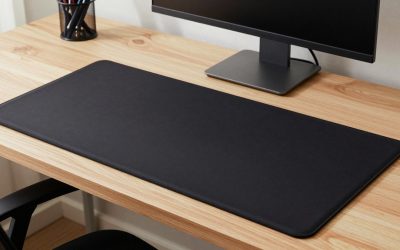
See also: Best Gaming Desk Pads for Full Desk Coverage • Best Desk Organizers Under $30: Match the Organizer to Your Clutter
| Factor | Desk Drawer | Desktop Organizer |
|---|---|---|
| Comfort | Creates a cleaner, less distracting work surface; opening a drawer requires reaching down or sideways. | Keeps everyday items at hand; visible items can make the desk feel crowded. |
| Durability | Metal or wood units commonly provide sturdier long-term storage and better resistance to tipping. | Plastic, wire, or lightweight fiberboard models are adequate for supplies but may shift under heavy loads. |
| Price range | About $40–$200 for a freestanding or rolling unit; built-in drawers cost more as part of a desk. | About $10–$60 for most home-office models; larger modular systems can cost $80 or more. |
| Maintenance | Needs occasional vacuuming inside drawers and checking wheels or drawer slides. | Easy to wipe, but open compartments collect dust and require more frequent tidying. |
| Space needed | Typically 18–24 inches wide, 18–24 inches deep, and 24–28 inches high beside or under a desk. | Typically 10–16 inches wide, 6–12 inches deep, and 4–14 inches high on the desktop. |
| Look | More discreet, especially in matching wood, white, or black finishes; hides visual clutter. | More functional and office-like, although coordinated colors can make it part of the decor. |
| Resale | Quality filing cabinets and solid drawer units generally have better secondhand usefulness. | Low-cost organizers are easy to give away but often have limited resale value. |
| Best for | Paper-heavy work, shared rooms, confidential files, bulk supplies, and permanent offices. | Mail sorting, schoolwork, pens, cables, small tools, and frequently used items. |
| Capacity | Can hold several reams of paper, folders, or heavier equipment, depending on construction. | Best for lightweight supplies and active paperwork rather than bulk storage. |
Where Desk Drawer Wins
A desk drawer wins when the goal is to reduce what you see. Closed storage is particularly useful in a living room, bedroom, or dining area where an office setup must coexist with the rest of the home. When the workday ends, you can close the drawer and leave fewer reminders of unfinished tasks in view.
Drawers are also better for documents that should not remain exposed. Tax records, medical paperwork, passports, spare keys, and account information are easier to control in a drawer, especially if the unit includes a lock. A filing-style drawer can keep letter-size folders upright, while smaller drawers can separate writing tools, cables, receipts, and supplies.
Capacity is the major practical advantage. A typical under-desk cabinet may occupy roughly 2 to 6 square feet of floor area but hold much more than a small desktop tray. A rolling cabinet can also serve as a printer stand or occasional side table, provided its top is rated for the equipment’s weight. Before buying, measure the clearance beneath the desk, including the width between legs and the height under any apron or support rail.
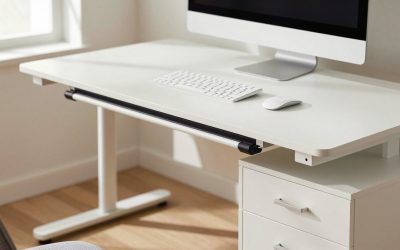
Two examples illustrate the range of this category. The DEVAISE 5-Drawer Filing Cabinet Under Desk, Storage file Cabinet, White is listed at $89.99, while the DEVAISE 3-Drawer Mobile File Cabinet, Rolling Printer Stand, Rustic Brown is listed at $42.99. These products show why drawer storage can range from a more substantial filing solution to a compact rolling option.
The drawbacks are footprint and access. A drawer unit can make a narrow chair path tighter, and opening a fully loaded drawer requires more clearance than reaching into a tray. Metal cabinets may also be noticeably heavy—often 30 to 60 pounds depending on size—so they are less convenient for frequent moves.
Where Desktop Organizer Wins
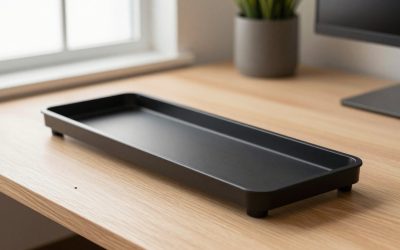
A desktop organizer is the better choice when speed matters. If you use pens, sticky notes, envelopes, scissors, or incoming mail throughout the day, open compartments eliminate repeated bending and searching. A letter tray can also create a simple “to do,” “to file,” and “outgoing” system without taking up floor space.
Desktop storage is especially useful on a small desk. Most models use less than one square foot, leaving room for a keyboard, notebook, and monitor. A vertical organizer can use height instead of width, although the tallest models should be placed where they will not obstruct a window, lamp, or monitor.
It is also the easier option for renters and occasional users. You can move it from a desk to a kitchen counter, craft table, or homework station without tools. A desktop organizer usually weighs between 1 and 8 pounds, so it can be relocated or stored when guests need the room.
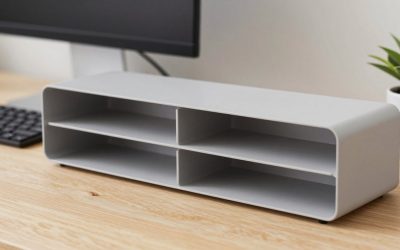
The WALI Desk File Organizer, 4 Tier Desktop Paper Letter Tray Organizer with Drawer and 2 Pen Holders is listed at $16.99. The OPNICE Desk Organizer and Accessories, 2-Tier Computer Monitor Stand Riser with Drawer and 2 Pen Holders is listed at $19.79. Both price points demonstrate why desktop organizers are a low-risk way to test a storage system.
The tradeoff is exposure. Open compartments can look messy when every slot is full, and lightweight organizers may slide when loaded with folders. They are also less suitable for large supplies or confidential paperwork. To keep one orderly, limit each section to a single category and reserve one tray for items that need action this week.
Cost Over 5 Years
Purchase price alone favors the desktop organizer, but five-year value depends on how often you replace or expand it. A basic organizer costing $15–$25 may last several years with gentle use, producing an approximate five-year cost of $3–$5 per year. If it cracks, outgrows your paperwork, or leads to multiple add-ons, the total can rise to $40–$80.
A rolling or freestanding drawer unit commonly costs $40–$120 for a basic model and $120–$200 or more for heavier construction. Spread over five years, that equals approximately $8–$40 per year before any replacement hardware. A durable unit may remain useful well beyond five years, lowering its annual cost further. The financial advantage is strongest when it replaces several small organizers or prevents you from buying a larger desk.
Also account for space. A drawer unit may require a larger desk or a dedicated floor position, while an organizer may allow you to keep a smaller workstation. If an inexpensive desktop solution prevents a $100 furniture upgrade, its overall value can be higher even if it needs replacing sooner.
Which One for Your Home
Small apartment
Start with a desktop organizer if floor space is limited. A model no wider than 12–14 inches and no deeper than 8–10 inches can handle daily supplies without narrowing a walkway. If paper storage is the problem, choose a narrow rolling drawer unit only after measuring the space beneath the desk and the chair’s movement.
Family with kids or pets
A drawer is usually safer and tidier because small objects, sharp tools, and confidential papers are not sitting in open compartments. Choose a stable unit with smooth drawer operation and, when appropriate, a lock. Anchor or position tall furniture carefully, and avoid putting heavy equipment on a drawer unit unless the manufacturer permits it.
Rental
Desktop organization offers the most flexibility because it requires no drilling, mounting, or permanent change. Select a finish that works with several rooms so the organizer can move when your office location changes. A lightweight drawer unit can also work, but confirm that its casters will not mark delicate flooring.
Long-term home
Invest in a drawer unit if you expect to keep the same office for several years. It provides better capacity and a more finished appearance, particularly when matched to the desk. Add a small desktop tray for active documents rather than using the entire surface as open storage.
FAQ
Is a desk drawer better than a desktop organizer?
Neither is universally better. A drawer is better for concealed, higher-capacity storage and a calmer-looking room. A desktop organizer is better for inexpensive, immediate access to lightweight supplies. Your paperwork volume and daily habits should decide.
Can a desktop organizer replace a filing cabinet?
Usually not. A desktop organizer can manage a small active stack of letter-size papers, but it lacks the capacity, privacy, and structural support of a filing cabinet. Use it for documents awaiting action and a drawer for records you need to retain.
How much desk space should an organizer use?
Try to keep storage to no more than about one-quarter of the usable desktop. For many workstations, that means an organizer roughly 10–14 inches wide and 6–10 inches deep. Leave clear space for your keyboard, writing area, and comfortable mouse movement.
Should I buy both types of storage?
Yes, if you have both daily clutter and stored paperwork. A compact desktop organizer can hold the items you use every day, while a drawer unit stores backup supplies and documents. This combination is often more practical than forcing one product to handle every category.
Ready to decide? Our #1 pick for 2026 is the Comfort.
Live price & availability on Amazon.
Related Reviews & Guides



6 Best Desk And Bookshelf Combinations 2026

6 Best Smallests Under Desk Treadmill 2026