Last Updated: September 29, 2026
The Autonomous ErgoChair Pro is one of the best-known mid-range mesh chairs sold alongside standing desks. It promises a full set of adjustments, including headrest, lumbar, seat depth and multi-directional arms, at a price well below premium office brands. This review examines how the chair holds up across a real workday, which adjustments matter most, and whether it is the right partner for a sit-stand setup.
📄 In This Review
Quick answer: Our top pick in 2026 is the Seat depth — our #1 rated choice. See the full ranked comparison, alternatives and buying advice below.
Design and first impressions
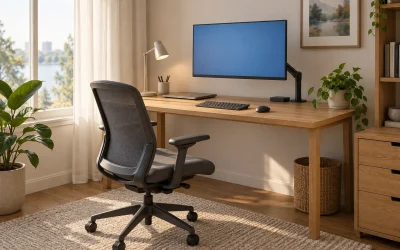
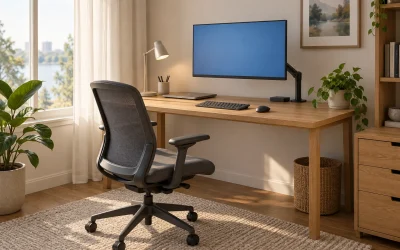
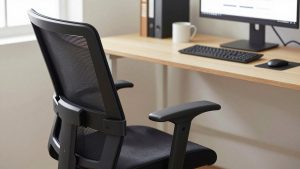
The ErgoChair Pro uses a tall mesh back with a distinct lumbar zone, an adjustable headrest and a padded or mesh seat depending on the version. The look is modern and office-appropriate, and it pairs visually with most standing desks.
Assembly
Plan for 30 to 40 minutes. The backrest, headrest and arms bolt on separately. Tighten bolts in a cross pattern and recheck them after a week, since mesh chairs settle slightly as the frame beds in.
Adjustments that matter
See also: Best Roku Streaming Deals Reviewed • Olipop Flavors Ranked: Best Tastes from Worst to Best
The strength of this chair is the range of controls: seat height, seat depth, tilt tension, multi-position tilt lock, lumbar height, headrest height and angle, and armrests that move in several directions.
Seat depth
A seat-depth slider lets you keep a two-to-three finger gap between the seat edge and the back of your knees. That single control makes the chair workable for a much wider range of leg lengths than fixed-seat chairs.
Lumbar
The lumbar zone adjusts in height. Its support is moderate, suiting people who want a gentle curve rather than strong forward pressure. If you want more, a thin lumbar roll can be added without fighting the design.
Headrest
The headrest helps during reclined calls and reading. For upright typing, set it slightly behind your head so it does not push your neck forward.
Autonomous ErgoChair Pro scorecard
Criteria-based evaluation rather than lab numbers.
| Criterion | What we check | How it tends to land |
|---|---|---|
| Seat depth | Adjustment range | Adjustable, broad fit |
| Lumbar | Height and firmness | Height-adjustable, moderate |
| Headrest | Height and angle | Adjustable |
| Armrests | Directions | Multi-directional |
| Breathability | Heat after 2 hours | Cool mesh back |
| Standing-desk fit | Arms clearing desk, quick resets | Good |
| Price tier | Market position | Mid-range, typically $400 to $550 |
Comfort over long sessions
The mesh back runs cool, which matters in summer and in rooms with lots of equipment. Seat comfort depends on the version: mesh seats feel firmer and cooler, while foam seats feel softer but warmer. Most users settle into the chair comfortably for four-hour blocks, especially with seat depth set correctly.
People with very wide hips should check seat width and armrest spacing. The arms can move outward, but the frame sets a limit.
Pairing with a standing desk
If you alternate sitting and standing, a chair that adjusts quickly is valuable. Set your sitting desk height first, then match the chair so elbows sit at about 90 degrees, and save that desk height as a preset. When you return to sitting, the chair and desk should snap back into the same relationship without re-fiddling controls. The ErgoChair Pro’s armrests can drop low enough to slide under most desk surfaces when you stand.
Durability and warranty
Mesh tension, tilt mechanism quality and cylinder class decide how long mid-range chairs last. Check the warranty length and weight rating on the current listing, and look at how easily you can buy replacement parts. A chair that can be repaired for the cost of a new cylinder or armrest is far better value than one that must be replaced entirely.
Also watch for early warning signs during the first month: a seat that slowly sinks during the day points to a weak cylinder, a clicking tilt lock suggests a loose mechanism bolt, and mesh that ripples at the frame edge can indicate uneven tension. All three are easier to resolve under warranty than later.
FAQ
Is the ErgoChair Pro good for tall users?
Its tall back, headrest and seat-depth slider suit many users up to about six feet two. Taller users should compare seat height and back height carefully.
Mesh or foam seat: which should I choose?
Choose mesh if you run hot and like a firmer feel. Choose foam if you prefer softer cushioning and work in a cooler room.
Bottom line
The Autonomous ErgoChair Pro gives mid-range buyers a genuinely complete set of adjustments, including seat depth, headrest and multi-way arms, in a breathable mesh design. The lumbar is gentle and the materials are not premium, but set up properly it supports long workdays and pairs naturally with a standing desk.
Ready to decide? Our #1 pick for 2026 is the Seat depth.
Live price & availability on Amazon.
Related Reviews & Guides

Best Ergonomic Office Chair for Small Home Office
How to Clean a Mesh Office Chair