Last Updated: September 29, 2026
An ergonomic chair is sold as the cure for back pain, but it is really a set of adjustment ranges bolted to a seat. When those ranges fit your body and you actually use them, the chair earns its price many times over. When they do not fit, or you never touch the levers, you have paid a premium for a heavier, more complicated version of a basic task chair. This article weighs the genuine advantages against the real drawbacks so you can decide whether the upgrade makes sense for how you work.
📄 In This Review
Quick answer: Our top pick in 2026 is the Adjustability — our #1 rated choice. See the full ranked comparison, alternatives and buying advice below.
What makes a chair “ergonomic” in the first place
There is no legal definition. In practice, reputable ergonomic chairs share four traits: adjustable seat height (typically a 4 to 5 inch gas-cylinder range), adjustable lumbar support that moves up and down or in and out, a recline mechanism with tension control and a lock, and armrests that move in at least two directions. Better chairs add seat depth adjustment, a synchro-tilt that reclines the back faster than the seat, and a BIFMA X5.1 durability certification. A chair that only offers height and a fixed “lumbar curve” moulded into the backrest is a task chair with marketing copy.
The pros
See also: Best Roku Streaming Deals Reviewed • Olipop Flavors Ranked: Best Tastes from Worst to Best
Support that follows your posture, not the other way round
The biggest benefit is that the chair can be set to your lumbar curve and thigh length instead of forcing you to perch on the front edge. Adjustable lumbar lets you place support at belt-line height, where the lower spine naturally curves inward. Over an eight-hour day that reduces the slow slump that loads the discs and tightens the hip flexors.
Movement is encouraged
A good synchro-tilt mechanism lets you recline 10 to 20 degrees while reading or on calls without the seat front lifting your thighs. Shifting between upright typing and a slight recline redistributes pressure and is one of the simplest ways to reduce stiffness. Cheap chairs either lock rigidly or rock loosely with no tension control, which discourages that variety.
Arm and shoulder relief
Height-adjustable armrests that sit level with your desk surface let your forearms carry some of their own weight. That takes load off the upper trapezius, which is where many desk workers feel end-of-day tension. Four-way arms (height, width, depth, pivot) also let you pull support inward for a narrow keyboard or swing it clear for a wide one.
Longevity
Mid-range and premium ergonomic chairs are typically rated for users up to 250 to 300 lb and carry 5 to 12 year warranties. Spread over the ownership period, a well-built chair often costs less per year than replacing a budget chair every two or three years when the foam collapses and the cylinder sinks.
The cons
Price and diminishing returns
Entry ergonomic chairs start around $250 to $400; flagship models from established office brands run $1,000 to $1,800. The jump from $150 to $400 buys you real adjustability. The jump from $800 to $1,600 mostly buys refinement, materials and warranty length, not dramatically better posture.
Fit is not universal
Every chair has a seat depth, backrest height and lumbar range designed around a band of body sizes. Someone under about 5’3″ may find the seat too deep even at its shortest setting; someone over 6’3″ may find the lumbar peak sits too low. An expensive chair that does not fit is worse than a cheaper one that does.
A learning curve most people skip
Studies of office furniture use repeatedly find that many workers never adjust their chairs beyond seat height. If you will not spend ten minutes setting lumbar, arm height and tilt tension, you will not get the benefit you paid for.
Weight, size and mesh trade-offs
Ergonomic chairs typically weigh 40 to 60 lb and have a 26 to 28 inch base footprint, which matters in a small room. Mesh seats breathe well but some users find the front edge firm; foam seats feel softer but trap heat in warm rooms.
Pros and cons at a glance
| Factor | Advantage | Drawback |
|---|---|---|
| Adjustability | Lumbar, depth, arms and tilt tuned to your body | Useless if never set up; more parts to fail |
| Price | Lower cost per year over 8 to 12 years | $300 to $1,800 up front |
| Comfort over long days | Reduced slouching and shoulder tension | Firm mesh edges or warm foam for some users |
| Fit range | Most fit roughly 5’4″ to 6’2″ | Petite and very tall users may need special sizes |
| Footprint | Stable five-star base | 26 to 28 inch base, 40 to 60 lb weight |
Who benefits most, and who can skip it
You get the most value if you sit more than five hours a day, already notice lower-back or neck discomfort by mid-afternoon, or share a chair with nobody else so settings stay put. Remote workers and programmers fall squarely in this group. If you sit two hours a day, alternate with a standing desk most of the time, or move between hot desks, a solid $150 to $250 task chair with adjustable height and a decent lumbar curve may be all you need.
Before buying, measure your popliteal height (floor to the back of your knee while seated) and thigh length, then compare them to the chair’s published seat height and depth range. That five-minute check prevents most returns.
FAQ
Can an ergonomic chair fix existing back pain?
It can reduce aggravating factors such as slumping and unsupported lower back, but it is not a treatment. Persistent pain should be assessed by a clinician, and the chair should be one part of a setup that also includes correct desk and monitor height plus regular movement breaks.
Is mesh or foam better for an ergonomic chair?
Mesh suits warm rooms and people who dislike heat build-up; high-density foam suits cooler spaces and people who prefer a softer, more even seat. Both can be ergonomic; the adjustment ranges matter more than the material.
Bottom line
The pros of an ergonomic chair are real: tunable lumbar support, arm relief, healthy recline and a long service life. The cons are equally real: cost, imperfect fit at the extremes of body size, and zero benefit if you never adjust it. Buy one when you sit for long stretches and are willing to spend ten minutes dialling it in; otherwise a well-chosen task chair and more movement will serve you nearly as well.
Ready to decide? Our #1 pick for 2026 is the Adjustability.
Live price & availability on Amazon.
Related Reviews & Guides
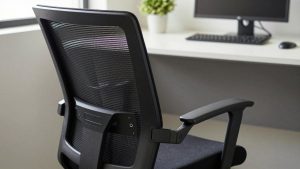
Flash Furniture Mid-Back Mesh Chair Review
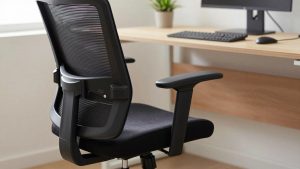
best ergonomic office chair for lower back support