Last Updated: September 18, 2026
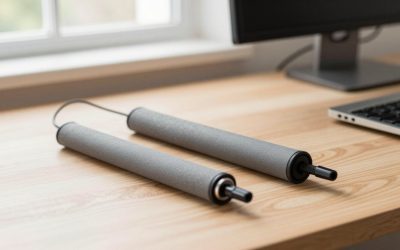
- Top Pick: Alex Tech 10ft – 1/2 inch Cord Protector Wire Loom Tubing Cable Sleeve Split Sleeving For USB Cable Power Cord Audio Video Cable – Protect Cat From Chewing – Black
- Best Value: Alex Tech 25ft – 1/2 inch Cord Protector Wire Loom Tubing Cable Sleeve Split Sleeving For USB Cable Power Cord Audio Video Cable – Protect Cat From Chewing Cords – Black
- Premium Choice: Delamu Cord Hider, 157in Wire Covers for Cords on Wall, Premium Cable Hider Cord Covers for Wires, Cable Management Wire Hiders for TV, Cable Raceway Kit, W0.95 H0.55in, White
Choosing between a cable sleeve and a cable raceway is less about hiding wires and more about how your room is used. A sleeve is flexible tubing that wraps around several cords, while a raceway is a rigid or semi-rigid channel that attaches to a wall, baseboard, desk, or cabinet. The right choice depends on whether your priority is pet protection, a clean TV installation, easy access, rental-friendly removal, or a finish that looks built into the room.
For loose cords behind a desk or entertainment center, a sleeve is usually the simpler and less expensive answer. For cables that run visibly across a wall, a raceway generally looks neater and offers better protection from snagging. Before buying, count your cables, measure their combined diameter, and consider whether you will add or remove devices within the next few years.
As an Amazon Associate we earn from qualifying purchases at no extra cost to you.


📄 In This Review
Quick Verdict
Choose a cable sleeve if you need flexible organization for cords moving together, such as USB cables, monitor leads, game-console cords, or power cables behind furniture. Sleeves are particularly useful when cables need to bend around table legs or remain accessible.
Choose a cable raceway if one or more cables must travel along a wall, baseboard, or ceiling line. A raceway creates a straighter, more finished path and is the better option for concealing a wall-mounted TV cable, soundbar connection, or home-office wire run.
In many homes, the best solution is both: use a raceway for the visible wall section and a sleeve for the loose cable bundle behind the desk or media console.
Side by Side
See also: Standing Desk 50 Inch Height: Who Needs It and Why • Standing Desk Height for 5’10”: Your Target Number and How to Dial It In
| Factor | Cable Sleeve | Cable Raceway |
|---|---|---|
| Comfort and handling | Soft, flexible, and easy to bend around furniture; less likely to create a hard edge | Firm and structured; can feel bulky where it meets a desk, corner, or outlet |
| Durability | Good for abrasion and light chewing protection; can fray or split over time | Better for impact, crushing, and wall-level protection; adhesive may eventually loosen |
| Typical price range | About $8-$20 for 10-25 feet of basic split sleeve | About $15-$35 for a small wall-cover kit; larger or specialty systems can cost more |
| Maintenance | Easy to open, add cords, and remove individual cables | Usually requires opening a hinged channel or removing a cover; more involved for frequent changes |
| Space needed | Often about 1/2 inch in diameter for a small bundle, though it expands with more cords | Common home models are roughly 0.95 inches wide and 0.5-0.55 inches high |
| Look | Casual and utilitarian, especially when visible behind furniture | Cleaner on walls and can be painted to match the surrounding surface |
| Resale appeal | Limited; mainly improves everyday tidiness | More likely to create a finished appearance around a wall-mounted TV or office |
| Best for | Desk bundles, pet-accessible cords, movable furniture, and short flexible runs | Wall-mounted electronics, baseboards, long straight runs, and visible power or signal cables |
| Installation | Wrap or thread the cords; generally no wall attachment required | Measure, cut, clean the surface, attach, and possibly paint or use mounting hardware |
Where Cable Sleeve Wins
A sleeve is the more adaptable choice when your cords move or change frequently. Instead of fastening wires to a fixed route, it gathers them into one flexible bundle. That makes it useful behind a standing desk, where power and monitor cables need to move as the desk rises, or around a media console that may be repositioned.
Sleeves also make it easier to separate cable groups. You might put low-voltage USB, HDMI, Ethernet, and speaker cables in one bundle while keeping power cords in another. Separating groups simplifies troubleshooting and prevents one crowded bundle from becoming difficult to open.
For homes with cats or small dogs, a split wire loom can add a physical barrier around exposed cords. The Alex Tech 10ft 1/2-inch cord protector is an example of this type of product, listed at $8.99. A 25-foot version is listed at $14.99 and can make more sense for multiple desks or rooms. These products are commonly used around USB, audio/video, and power cords, but they should not be treated as a substitute for supervising pets or replacing damaged electrical cords.
The main limitation is appearance. A sleeve tends to look like a bundle rather than part of the architecture. It can also become crowded. A 1/2-inch sleeve may work well for several slim signal cables, but thick AC cords can quickly consume its usable space. Measure the bundle loosely and leave room for expansion instead of forcing every cable into the smallest available sleeve.
Safety matters, too. A sleeve does not increase a cord’s wattage rating. Do not use it to bundle high-heat appliances such as space heaters, portable air conditioners, or large kitchen appliances. A typical 1,500- to 1,800-watt heater should remain positioned and ventilated according to its instructions, with its cord kept free from damage, compression, and excessive heat.
Where Cable Raceway Wins
A raceway is the stronger choice when cables cross an open wall and you want the installation to look deliberate. Its straight profile hides wires from view, protects them from chair backs and vacuum cleaners, and keeps them from hanging down behind a wall-mounted display.
Most residential raceways are shallow enough to remain unobtrusive. For example, the Delamu Cord Hider is listed at 157 inches long, 0.95 inches wide, and 0.55 inches high, with a $14.98 price. The EVEO Cable Hider Wall system is listed at 306 inches total, with individual pieces measuring 16 inches long by 0.95 inches wide and 0.5 inches high, at $24.97. Those dimensions are useful reference points when estimating how much wall coverage you need.
Raceways are also better for long, straight routes. A wall-mounted TV may need a cable path of 4 to 8 feet from the screen to a low console or outlet. A sleeve can cover that distance, but it may sag, drift, or show uneven bends. A raceway keeps the route aligned and can often be painted after installation for a more integrated finish.
The tradeoff is reduced flexibility. Adhesive-backed models require a clean, dry surface and may not adhere well to textured paint, dusty brick, or wallpaper. Removing them can lift paint. If you expect to add several cables, choose a wider channel or a model with a removable cover. Never use a raceway as permission to overload an outlet or place unrelated high-wattage cords together; the raceway conceals wiring but does not change electrical limits.
Cost Over 5 Years
For a small desk setup, a cable sleeve can cost approximately $9-$15 initially. If it remains intact for five years, the total is about $9-$15, or roughly $1.80-$3 per year. A second sleeve may be needed if you separate power and data cables or organize another room, bringing the five-year total closer to $18-$30.
A basic raceway installation usually costs about $15-$35 for enough material to cover a single TV or office run. If adhesive fails, the wall is repainted, or you add a second route, the five-year total may reach $30-$70. Paint, replacement mounting clips, and a few dollars of surface-preparation supplies can add to that amount.
The least expensive option is not always the lowest long-term cost. A sleeve is economical for changing bundles, while a raceway can prevent repeated reorganization when the cable path is permanent. Before buying, measure the route and add 10% to 15% for corners, cuts, and mistakes. Buying a kit that is too short often costs more than selecting the correct length initially.
Which One for Your Home
Small apartment
Start with a cable sleeve if your furniture is movable or you are managing only a desk and a compact entertainment center. It avoids drilling and usually leaves no wall hardware. For a wall-mounted TV, use a short adhesive raceway only if the surface is suitable and the lease allows removable wall products. A sleeve remains the safer default for renters who expect to rearrange often.
Family with kids or pets
Use a raceway for cords running along open walls, where children can pull on dangling wires or pets can reach them. Add a sleeve behind furniture to gather the remaining slack. Choose products with smooth covers and secure ends, and keep power strips out of reach. Inspect the system periodically: a cover protects a cable, but it cannot make a frayed or crushed cord safe.
Rental
Favor sleeves, cord clips that are specifically designed for clean removal, and furniture placement that hides excess cable. If you install a raceway, select a low-profile adhesive model, test a small inconspicuous area first, and document its condition before installation. Avoid permanent fasteners unless your landlord has approved them.
Long-term home
A raceway is usually the better investment for a dedicated media wall, home office, or baseboard route. Measure for future additions such as a game console, streaming box, soundbar, or Ethernet connection. Use a sleeve at the equipment end so the fixed wall path can transition neatly into a flexible bundle.
FAQ
Can a cable sleeve replace a cable raceway?
Sometimes. A sleeve can hide and organize cables behind furniture, but it will not provide the same straight, wall-mounted finish as a raceway. For a visible wall run, a raceway is generally neater and more secure.
Can I put power and HDMI cables in the same sleeve or raceway?
Usually, yes, when the products and cables are in good condition and the bundle is not overcrowded. Keep cords from high-heat or high-load appliances separate, and follow the electrical and installation instructions for every device. Cable management products do not increase outlet or cord capacity.
How do I know what size cable sleeve to buy?
Measure the combined outside diameter of the cords when loosely grouped. Select a sleeve with additional room for at least one or two future cables. A 1/2-inch sleeve is suitable for a modest bundle of slim cords, but thick power cables may require a larger diameter.
Is a cable raceway removable?
Many adhesive raceways are removable, but the result depends on the wall finish, adhesive age, temperature, and removal technique. Warm the adhesive gently, pull slowly parallel to the wall when the product allows it, and expect that painted or textured surfaces may still need touch-up.
Ready to decide? Our #1 pick for 2026 is the Comfort and handling.
Live price & availability on Amazon.
Related Reviews & Guides





Herman Miller Ergonomic Chair: Top Picks Compared in 2026
Best Paper Shredders in 2026: Compared and Ranked