Last Updated: September 8, 2026
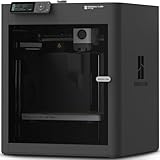
- Top Pick: FLASHFORGE Adventurer 5M 3D Printer with Fully Auto Leveling, Max 600mm/s High Speed Printing, 280°C Direct Extruder with 3S Detachable Nozzle, CoreXY All Metal Structure, Print Size 220x220x220mm
- Best Value: Entina Tina2C 3D Printer for Kids & Beginners, Fully Assembled Starter Mini 3D Printer, Start in 8 Mins, App & WiFi Control, Auto Leveling, 3000+ Model Library, 20+ Creative DIY Modules for STEM, Home
- Premium Choice: Bambu Lab P1S Combo, P1S 3D Printer and AMS, Multi-Color 3D Printing
Selecting the best starter 3D printer for a home office setup often turns into a frustrating balancing act. Beginners are frequently caught between overly complex assembly kits that require manual bed levelling and budget machines that lack the speed or reliability needed for long-term projects. A good entry-level machine must deliver straightforward setup, reliable extrusion, and consistent first-layer adhesion without demanding extensive technical troubleshooting.
By comparing official manufacturer specifications, current price points, structural engineering choices, and widespread user feedback, we evaluated what truly separates beginner-friendly printers from high-maintenance projects. Modern baseline features like automated bed levelling, direct drive extruders, high-speed CoreXY frames, and multi-color expansion have fundamentally reshaped expectations. This guide outlines the top desktop units available today to help you find the right printer for your desk.
As an Amazon Associate we earn from qualifying purchases at no extra cost to you.




📄 In This Review
Quick Picks
| Product | Best For | Price |
|---|---|---|
| FLASHFORGE Adventurer 5M | Best Overall Speed & Value | $249 |
| Entina Tina2C | Best Plug-and-Play for STEM | $199.99 |
| Bambu Lab P1S Combo | Best Enclosed Multi-Color System | $549 |
| FLASHFORGE AD5X | Best Value Multi-Color | $349 |
| Bambu Lab P1S | Best Enclosed CoreXY Performance | $399 |
| TINA2S | Best Compact Budget Starter | $189.99 |
| Bambu Lab A1 mini + LED Lamp Kit | Best Desktop Ecosystem Starter | $249 |
| AOSEED AI | Best High-Speed Enclosed for Kids | $329.99 |
How We Picked
See also: Good Height for a Desk: Seated and Standing Numbers by Body Height • Best Desks for Posture: Height, Depth and Sit-Stand Options
To rank these beginner options, we evaluated four primary criteria across published specs and owner experiences: setup simplicity out of the box, motion assembly architecture (such as CoreXY versus traditional bed-slingers), bed-levelling automation, and thermal extruding capabilities. We also prioritized user-friendly software integration, wireless app controls, and structural build stability to ensure each option provides a reliable learning curve for newcomers.
The 8 Best Starter 3D Printer in 2026
FLASHFORGE Adventurer 5M
The FLASHFORGE Adventurer 5M is designed for hobbyists who want high-speed output and simple maintenance at a competitive price point. Built on an all-metal CoreXY structure, it achieves print speeds up to 600mm/s within a standard 220x220x220mm build volume. Fully automatic levelling removes first-layer guesswork, while its 280°C direct extruder features a 3S detachable nozzle for swift swapping during maintenance.
- Pro: CoreXY design enables rapid 600mm/s maximum print speeds.
- Pro: 3S detachable nozzle allows quick, tool-free swaps.
- Con: Open-frame structure lacks native enclosure panels for high-temp materials.
Skip this machine if you require a fully enclosed printing chamber out of the box for materials like ABS.
Entina Tina2C
The Entina Tina2C caters to younger students, educators, and complete novices seeking an approachable entry point. This mini printer comes fully assembled and is ready to print within 8 minutes of unboxing. It features automatic levelling, app and WiFi connectivity, a digital library of over 3,000 models, and 20+ creative DIY modules designed for hands-on STEM learning at home.
- Pro: Rapid 8-minute initial setup with accessible app control.
- Pro: Includes 20+ DIY STEM modules and extensive app model library.
- Con: Small build volume limits practical household print sizes.
Skip this printer if you intend to create functional desk accessories or large single-piece models.
Bambu Lab P1S Combo
The Bambu Lab P1S Combo is built for beginners who want multi-color capability inside a protective enclosed chamber right from day one. Bundling the enclosed P1S core unit with the Automated Material System (AMS), it manages multi-color and multi-material prints smoothly while maintaining superior temperature stability for ambient-sensitive filaments.
- Pro: Includes AMS unit for multi-color and multi-material printing.
- Pro: Fully enclosed frame maintains stable internal temperatures.
- Con: Higher initial financial investment compared to open-frame starters.
Skip this option if you only plan to produce simple, single-color PLA parts on a tight budget.
FLASHFORGE AD5X
The FLASHFORGE AD5X offers high-speed multi-color printing capabilities to users focused on precision and efficiency. Featuring a fast CoreXY system capable of 600mm/s speeds, 1-click automatic levelling, and a 300°C direct drive extruder, this 220x220x220mm machine brings high-temperature material support and multi-filament functionality into an accessible tier.
- Pro: Direct drive extruder handles up to 300°C for engineering materials.
- Pro: High-speed 600mm/s CoreXY frame supports multi-color printing.
- Con: Open chassis configuration retains less ambient heat than enclosed setups.
Skip this model if you strictly require a fully enclosed environment for warp-prone filaments.
Bambu Lab P1S
The standard Bambu Lab P1S is ideal for starters who want a enclosed FDM machine with industrial-grade core speed and the option to add multi-color hardware later. Ready to use straight out of the box, its enclosed body protects prints from external drafts while keeping operating noise controlled on a shared work desk.
- Pro: Enclosed chassis allows reliable printing with technical filaments.
- Pro: Straightforward setup backed by robust slicing software.
- Con: Multi-color AMS unit is sold separately from this base package.
Skip this standalone unit if you already know you want multi-color printing immediately, as the Combo provides better bundled value.
TINA2S
The TINA2S is a fully assembled mini printer kit designed for kids, classrooms, and desktop users with minimal space. Focused on user convenience, it incorporates auto bed levelling, compact outer dimensions, and straightforward controls to remove operational friction for first-time users operating on a strict budget.
- Pro: Very low $189.99 entry price for a fully assembled machine.
- Pro: Compact desktop footprint fits comfortably on small workstations.
- Con: Low maximum print speeds compared to modern CoreXY options.
Skip this unit if you need to print large, high-resolution functional components.
Bambu Lab A1 mini + LED Lamp Kit
The Bambu Lab A1 mini + LED Lamp Kit provides a polished entry point for desktop hobbyists who appreciate clean software integration and immediate practical projects. This ready-to-use FDM unit includes a custom LED Lamp Kit, offering a fun, guided project right out of the box.
- Pro: Remarkably smooth software setup and intuitive screen interface.
- Pro: Bundled LED Lamp Kit provides an instant hands-on building project.
- Con: Cantilever open design offers a smaller build footprint.
Skip this model if you require a standard 220mm cubed build volume or an enclosed printing chamber.
AOSEED AI
The AOSEED AI is engineered specifically for kids and young students, combining high-speed performance with safety features. Operating inside an enclosed protective chassis, it reaches speeds up to 400mm/s and integrates with an extensive software library containing over 8,000 ready-to-print models.
- Pro: Enclosed protective structure ensures safer operation around young users.
- Pro: Impressive 400mm/s print speed backed by an 8000+ model library.
- Con: Higher cost than basic open-frame beginner printers.
Skip this printer if you prefer using traditional open-source slicers rather than a kid-friendly software environment.
Buying Guide
1. Motion Architecture and Print Speed
Modern entry-level printers generally fall into two structural designs: CoreXY frames and cantilever bed-slingers. CoreXY setups move the print head along both horizontal axes while moving the build plate down vertically, enabling significantly higher speeds up to 600mm/s with reduced vibration. Traditional bed-slingers move the build surface back and forth, which can introduce instability on taller prints at elevated speeds.
2. Extruders, Thermal Limits, and Maintenance
Direct drive extruders mount the motor directly above the hotend, offering far superior control over flexible filaments compared to older Bowden tube systems. Pay close attention to maximum nozzle temperatures: 280°C to 300°C extruders grant compatibility with stronger technical filaments. Detachable nozzle mechanisms, such as quick-swap quick-release systems, significantly reduce frustration during routine maintenance.
3. Auto-Leveling and Multi-Color Systems
Manual bed-levelling with paper cards is largely obsolete on modern starter machines. Fully automated sensor-based levelling measures build plate variance directly to guarantee consistent first-layer adhesion. Additionally, dedicated multi-color systems feed multiple material spools through a single hotend, allowing complex multi-tone models without post-print painting.
Our Verdict
For most desktop users, the FLASHFORGE Adventurer 5M stands as the best overall choice, delivering high-speed 600mm/s CoreXY performance, an easy detachable nozzle system, and auto-levelling for $249. If you need the absolute lowest entry cost, the TINA2S is a great budget pick at $189.99 for basic, compact printing. However, if your primary goal is printing intricate multi-color models inside a fully enclosed chassis, the Bambu Lab P1S Combo ($549) is the top choice.
FAQ
Are beginner 3D printers safe to keep on a standard home work desk?
Yes, modern beginner machines are safe for typical home desks when operated on a stable, level surface. Enclosed models or those using non-toxic filaments like PLA present minimal risk, though you should always ensure adequate room ventilation and keep flammable objects away from hot extruders.
What is the benefit of a direct drive extruder over a Bowden extruder?
A direct drive extruder places the drive gears right above the hotend, yielding precise filament retraction and better consistency with flexible materials. Bowden setups place the motor on the outer frame, reducing print head weight but increasing the chance of stringing and filament clogs.
Do I need an enclosed printer if I am only printing with PLA filament?
No, an enclosure is not necessary for basic filaments like PLA or PETG, which cool reliably in open air. An enclosed printer becomes necessary primarily when working with high-temperature materials like ABS that warp when exposed to slight ambient drafts.
Is multi-color printing capability worth the extra initial cost?
Multi-color printing adds immense value if you plan to create multi-tone figures, decorative desk items, or multi-material functional prototypes without painting them manually. If you only require single-color functional brackets or basic tools, a standard single-extruder printer is sufficient.
Related Reviews & Guides

3 Best Mechanical Keyboards Under $100 for Home Office

Headphone Holder Hanger Under Desk