Last Updated: September 29, 2026
- Who a 48×24 Actually Fits (and Who Should Go Bigger)
- Real-World Space: Will It Fit Your Room?
- Monitor and Keyboard Space Trade-Offs on 24 Inches of Depth
- Frame and Top Options for This Footprint
- Decision Matrix: Which 48×24 Configuration Fits Your Situation
- Assembly, Moving, and What Actually Wears Out
- How to Choose the Right 48×24 Without Overbuying
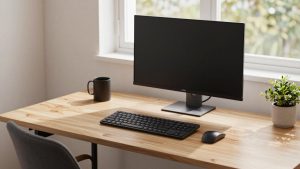
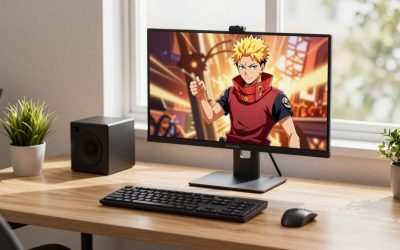
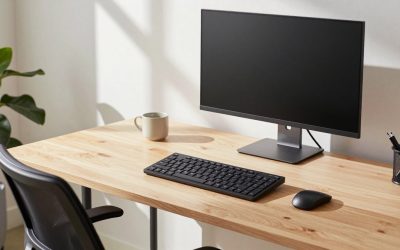
A 48 x 24 standing desk is the smallest full-function standing desk worth buying for most people — it fits a laptop or single 27-inch monitor plus keyboard and mouse comfortably, but leaves almost no room for a second large monitor, large speakers, or extensive desktop accessories without adding risers or going wider to 55 inches.
📄 In This Review
- Who a 48×24 Actually Fits (and Who Should Go Bigger)
- Real-World Space: Will It Fit Your Room?
- Monitor and Keyboard Space Trade-Offs on 24 Inches of Depth
- Frame and Top Options for This Footprint
- Decision Matrix: Which 48×24 Configuration Fits Your Situation
- Assembly, Moving, and What Actually Wears Out
- How to Choose the Right 48×24 Without Overbuying
Who a 48×24 Actually Fits (and Who Should Go Bigger)
This footprint is 48 inches wide by 24 inches deep, or 8 square feet of surface. It was designed for small spaces where every inch matters: apartments, bedrooms, dorms, and compact home offices. It works best in rooms where a standard 60-inch desk would block a doorway, closet, or walkway.

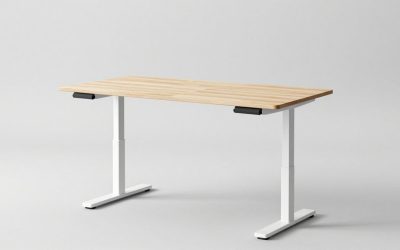
FLEXISPOT EN1 48"x24" One-Piece Standing Desk, Maple
Included for '48 x 24 Standing Desk Guide: Best Options for Small Spaces' because the listing specifies Maple, details this guide uses to compare options.
View on Amazon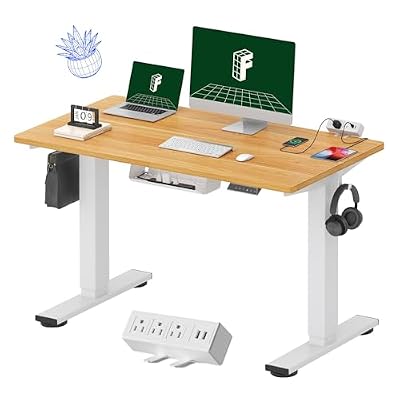
FLEXISPOT EN2 48"x24" Whole-Piece Standing Desk with Power Strip, Maple
Included for '48 x 24 Standing Desk Guide: Best Options for Small Spaces' because the listing specifies Maple, details this guide uses to compare options.
View on Amazon
FLEXISPOT EN2 48"x24" Whole-Piece Standing Desk with Power Strip, White
Included for '48 x 24 Standing Desk Guide: Best Options for Small Spaces' because the listing specifies White, details this guide uses to compare options.
View on AmazonChoose a 48 x 24 standing desk if you:
- Work primarily on a laptop, or on one external monitor up to 27-32 inches
- Use a compact or tenkeyless keyboard and a single mouse pad
- Need the desk to sit against a wall or in a corner without dominating the room
- Are under 6’0″ with an average wingspan — your elbows will naturally fall inside the 48-inch width without feeling cramped
Consider stepping up to a 55 x 24 standing desk or a 48 x 30 if you:
- Use dual 24-27 inch monitors side-by-side. Two monitors on stands need about 44-50 inches of width with bezels and a comfortable viewing gap.
- Keep a desktop PC, large studio monitors, or a mixer on the desk surface
- Spread out paper documents, books, or a large drawing tablet while you work
- Are taller with a wider shoulder width and prefer more elbow room when standing
Real-World Space: Will It Fit Your Room?
See also: Best Monitor Under 300: Eight Listings Compared by Refresh Claims, Panel Type and Pixel Load • Best Adjustable Standing Desk Converters for Dual Monitors: Width, Weight and Fit Compared
A 48×24 desk is often marketed as “small space friendly,” but you still need clearance for the chair, for standing, and for the desk’s own movement.
Use these minimum clearances when planning:
- Behind the desk (wall side): Leave 0.5 to 1 inch if the desk is against a wall, but remember power cables and a monitor arm clamp need 2-3 inches. If you use a wall-mounted monitor arm, you can push closer.
- In front of the desk (chair and standing zone): Allow 36 to 42 inches from the front edge to the wall or furniture behind you. That gives room to push a chair back and to stand with a mat without hitting anything.
- Side clearance: At least 24 inches on one side if the desk is in an alcove, so the top doesn’t scrape the wall when raising or lowering.
In a typical 10×12 ft bedroom (120 sq ft), a 48×24 desk placed on the 10-foot wall uses only 40% of that wall’s length, leaving about 72 inches for a bed, nightstand, or dresser. A 55×24 on the same wall uses 46% and leaves about 65 inches — still workable, but noticeably tighter in that layout. In a 7×9 ft home office nook, the 48-inch width is often the maximum that still allows a 30-inch doorway to swing open fully.
Sitting and Standing Height Ranges That Matter
Most two-stage electric frames adjust from about 28 inches to 47 inches high. That fits seated users from about 5’4″ to 5’11” and standing users up to about 6’1″ when using the desk without a keyboard tray. Three-stage frames that go from 24-25 inches to 50-51 inches are better if you are shorter than 5’4″, taller than 6’2″, or want to use a high stool or treadmill.
| User Height | Ideal Seated Desk Height (with shoes) | Ideal Standing Desk Height | Best Frame Type for 48×24 Top |
|---|---|---|---|
| 5’2″ (157 cm) | 25.5 – 26.5 inches | 37.5 – 39.0 inches | 3-stage, low minimum 24-25″ |
| 5’8″ (173 cm) | 28.0 – 29.0 inches | 42.0 – 44.0 inches | 2-stage or 3-stage |
| 6’0″ (183 cm) | 29.5 – 30.5 inches | 45.0 – 47.0 inches | 2-stage 28-47″ is usually enough |
| 6’4″ (193 cm) | 31.0 – 32.0 inches | 48.0 – 50.0 inches | 3-stage up to 50-51″ |
If the desk will be used by two people of different heights, prioritize the adjustable range over the top material. A frame that only goes down to 28 inches will force a shorter person to raise their chair and use a footrest.
Monitor and Keyboard Space Trade-Offs on 24 Inches of Depth
Depth is the tight dimension on a 48×24. With 24 inches front-to-back, every item you add pushes your monitor closer to your eyes.
Here is how the depth gets used up:
- Monitor stand foot: A factory stand for a 27-inch monitor is typically 8-9 inches deep. That leaves only 15-16 inches from screen to desk edge, which puts the screen about 18-20 inches from your eyes — too close for most people and hard to maintain ergonomic eye distance of 22-30 inches.
- Monitor arm: A clamp-on arm reclaims 5-7 inches of depth and lets you push the screen to the back edge. This is the single best upgrade for a 48×24 desk.
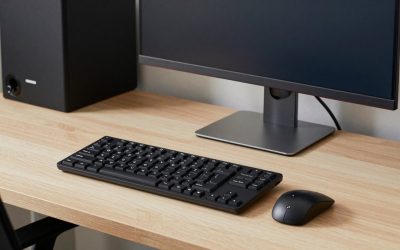
- Keyboard and wrist rest: A full-size keyboard with wrist rest is about 9-10 inches deep. A tenkeyless or 75% keyboard is 6-7 inches deep, saving 3 inches for mouse space or for pushing the keyboard further back when standing.
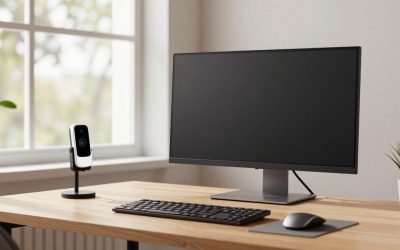
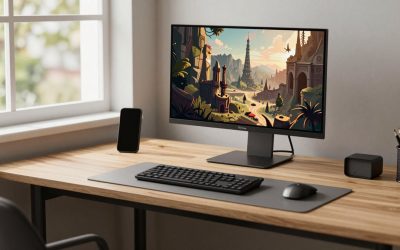
A practical layout for a 48×24: monitor on an arm centered at the back edge, tenkeyless keyboard centered, large mouse pad (about 12×18 inches) to the right. That leaves a usable 10-12 inch strip along the front for wrists and about 6-8 inches on either side of the keyboard for a notebook or phone. If you need dual monitors on this depth, you must use a dual arm and expect the screens to sit at the very back edge with almost no depth to spare.
48 x 24 vs. 55 x 24: Is 7 Inches Worth It?
A 55 x 24 standing desk is the direct step-up from 48×24 and is offered by brands like FlexiSpot, UPLIFT Desk, and Vari as a middle size between the compact and the full 60-inch. The depth stays at 24 inches, so viewing distance and arm reach feel the same, but the extra 7 inches of width changes what fits.
On a 48-inch top, a 27-inch monitor centered leaves about 10.5 inches of usable width on each side. On a 55-inch top, you get about 14 inches per side. That difference is enough to add a 12-inch desktop shelf, a small printer, or a second 24-inch monitor in portrait without hanging over the edge. Weight capacity does not change much between the two sizes — both typically use the same two-leg frame rated for 220-310 lbs — but stability at max height is slightly better on the 48-inch because the top is narrower and creates less leverage.
Choose 55 x 24 if your room can spare the width and you know you will run dual monitors. Stick with 48 x 24 if you are fitting the desk between a wall and a closet, in a hallway nook, or need to keep walkways clear.
Frame and Top Options for This Footprint
For a 48×24 top, you have three buying paths: a complete bundled desk, a separate frame plus top, or a converter that sits on an existing desk. For true sit-stand use, a full electric frame is almost always better than a converter at this size, because converters eat 5-7 inches of depth when collapsed.
Look for these frame specs:
- Width-adjustable base: Most two-leg frames telescope from about 38 to 60 inches. Confirm the minimum width locks in at 42-44 inches so the feet don’t stick out past a 48-inch top.
- Motor type: Single-motor frames are usually $300-$500 and lift 180-220 lbs at about 1 inch per second with more noise. Dual-motor frames are usually $500-$800, lift 250-310 lbs, lift faster at 1.3-1.5 inches per second, and run quieter. For a light 48×24 setup, single-motor is sufficient unless you plan to add a heavy solid wood top later.
- Weight rating vs. real load: A typical 48×24 setup weighs 50-75 lbs for the top plus 50-65 lbs for the frame, leaving 100+ lbs of capacity for equipment even on a modest 220-lb rated frame. You only need a higher rating if you use a 1.5-inch solid wood top or keep multiple desktops on the desk.
Top Material Trade-Offs
| Material | Typical Thickness / Weight (48×24) | Durability | Best For / Watch Out |
|---|---|---|---|
| Laminate over particleboard | 0.75 – 1 inch, 30-40 lbs | Resists stains, scratches moderately; chip on edges if hit, swells if water sits at seams | Budget and light use; keep drinks off seams and use a mat under heavy monitors |
| Engineered wood with veneer (MDF + wood veneer) | 0.75 – 1 inch, 35-45 lbs | More stable than solid wood against warping; veneer can dent or peel with heat | Mid-range look; avoid placing hot items directly on surface |
| Solid wood (rubberwood, acacia, maple) | 1 – 1.5 inches, 55-85 lbs | Very durable, can be sanded and refinished; will expand/contract with humidity | Long-term durability and home aesthetics; heavier, may need crossbar and higher lift capacity |
| Bamboo | 0.75 – 1 inch, 40-50 lbs | Hard and scratch-resistant, more water-resistant than particleboard | Eco option with good strength-to-weight; allow for natural color variation |
| Powder-coated steel or metal top | 0.5 – 0.75 inch, 35-45 lbs | Most resistant to wear and moisture; shows dust and fingerprints | Industrial or garage setups; pair with anti-fatigue mat for acoustics |
For renters and anyone who moves often, laminate or bamboo at 0.75 inch is the easiest to carry and least likely to be damaged in a move. Solid wood is worth the weight if this is a long-term home office desk you want to refinish in 5-7 years rather than replace.
Decision Matrix: Which 48×24 Configuration Fits Your Situation
| Your Situation | Recommended Setup | Why It Works |
|---|---|---|
| Small apartment / bedroom, need to save floor space | 48×24 laminate or bamboo top + single-motor frame, monitor arm | Lowest weight and cost, reclaims depth, keeps footprint minimal |
| Renter who moves every 1-2 years | 48×24 with 2-piece top or light bamboo + quick-assemble frame (4-6 bolts) | Lighter boxes fit through 28-inch doorways and narrow stairwells |
| Kids and pets at home | 48×24 with rounded or T-edge, 1-inch thick top, frame with anti-collision sensor and lock | Softer edges, fewer pinch points, lock prevents kids from operating height controls |
| Back pain / frequent position changes | 48×24 dual-motor 3-stage frame + memory presets + anti-fatigue mat | Wide height range and one-touch presets encourage more transitions; mat reduces foot fatigue |
| Dual monitors or gaming setup in tight room | Consider 55×24 if wall allows; if strict 48″ limit, dual monitor arm + clamp power strip | Extra width or vertical mountingNeeded – surface alone cannot hold two stands + PC |
Assembly, Moving, and What Actually Wears Out
Expect two boxes for a bundled 48×24 desk: the frame box at 60-75 lbs and the top box at 35-55 lbs depending on material. Boxes are typically 49-51 inches long, so measure your vehicle and any tight hallway turns before delivery. Most frames assemble with 12-18 bolts and take 45-75 minutes with one person; a second person helps to flip the desk upright without twisting the frame.
Standard residential doorways are 28-30 inches wide. A fully assembled 48×24 desk is 48 inches wide but only 24 inches deep, so you can tilt it on its side to move through a doorway without disassembly. Elevators and narrow apartment stairwells are the tighter constraint — keep the boxes until you are in the room where the desk will live.
Durability realities by component:
- First to show wear: The leading edge where wrists rest, and the laminate near the cable cutout if liquid pools. A $20-30 desk mat prevents both.
- Motor and electronics: Brushless motors in the $500+ range typically last 5-10 years of 2-4 adjustments per day. Cheaper single-motor units may develop uneven lifting or louder operation after 3-5 years if consistently loaded near capacity.
- Frame wobble: At sitting height, even budget frames are stable. At 45+ inches, any 24-inch deep desk will show some front-to-back movement when typing firmly. A crossbar, wider feet (26-28 inches), or keeping heavy items centered reduces this.
- Top sag: Particleboard tops over 48 inches can sag over time if you center 50+ lbs of equipment without supporting the middle. Bamboo, solid wood, or a steel support beam under the top prevents sag.
If you rent, choose a frame with leveling glides rather than fixed feet — floors in older apartments are rarely flat, and glides stop the desk from rocking when fully raised.
How to Choose the Right 48×24 Without Overbuying
Start with the monitor plan, not the desk. If you can commit to a single monitor on an arm, 48×24 is the most space-efficient standing desk you can buy and will feel open, not cramped. If you already own dual 27-inch monitors on their original stands, measure them base-to-base — if that number is over 46 inches, you will fight for space every day and should stretch to 55 x 24 or add a vertical monitor stack.
For most small spaces in 2026, a 48×24 with a dual-motor or quality single-motor frame, a 0.75 to 1-inch bamboo or laminate top, and a single monitor arm hits the best balance of price, weight, and ergonomics — usually $350-$650 for the complete desk plus $60-$120 for the arm. Add a cable tray under the back edge so the 24-inch depth stays clear as you raise and lower the desk, and you will get the full benefit of sit-stand movement without needing a larger footprint.
Related Reviews & Guides



Dig 1 Million Blocks Codes: Active List & Rewards
Expedition Antarctica Codes: Active List & Redeem