Last Updated: October 6, 2026
- Quick Comparison
- The “Sitting Is the New Smoking” Claim Revisited
- What Sitting All Day Actually Does to Your Body
- What Standing All Day Does to Your Body
- The Hybrid Approach: What Science Actually Recommends
- Building a Hybrid Workspace
- Hybrid Setup Mistakes to Avoid
- Who Benefits Most From Standing Desks
- Who Should Be Cautious With Standing Desks
- Movement Strategies Beyond Standing
- Treadmill Desks and Active Workstations
- Frequently Asked Questions
- Final Thoughts
- About the Author
- Related Articles
The “sitting is the new smoking” headlines convinced millions of office workers to invest in standing desks — but recent research paints a more nuanced picture. Standing all day isn’t necessarily healthier than sitting all day; the real benefits come from movement and posture variation. This guide breaks down what science actually shows about sitting vs. standing, the realistic health impacts of each, and how to build a hybrid setup that captures the benefits while avoiding the downsides.


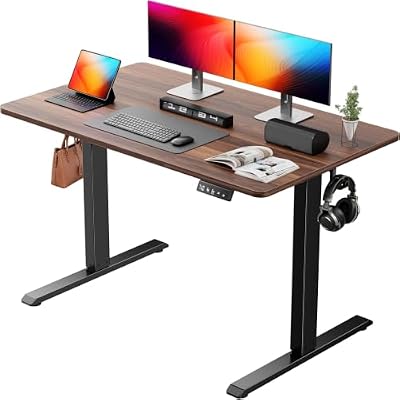

Standing Computer Gaming Office Desk - 48 x 24 Inches Adjustable Stand Up Electric Height Rising Table with Memory Presets for Home Study Writing PC Work, Modern Simple Walking Sit Desk, Easy Assembly
Included for 'Standing Desk vs Sitting: Health Benefits, Drawbacks & Best Hybrid Approach' because the listing specifies Modern Simple Walking Sit Desk and Easy Assembly, details this guide uses to compare options.
View on Amazon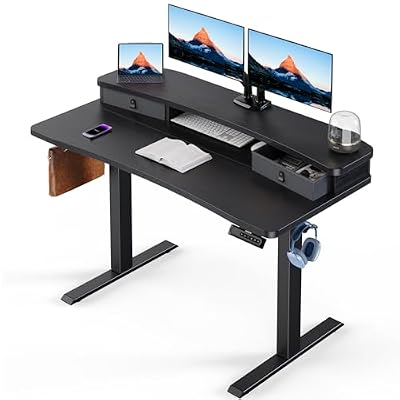
HUANUO 48″ x 24″ Electric Standing Desk with 2 Drawers, C-Clamp Mount Compatible, Height Adjustable Computer Desk, Home Office Stand Up Desk with 4 Preset Heights & 2 Hooks, Black
Included for 'Standing Desk vs Sitting: Health Benefits, Drawbacks & Best Hybrid Approach' because the listing specifies C-Clamp Mount Compatible and Height Adjustable Computer Desk, details this guide uses to compare options.
View on Amazon
COMHOMA Small Standing Desk with Storage Drawer, Mobile Height Adjustable Rolling Sit Stand Desk with Lockable Wheels 4‑Level Portable Laptop Desk for Small Space Home Office Treadmill Workstation
Included for 'Standing Desk vs Sitting: Health Benefits, Drawbacks & Best Hybrid Approach' as a relevant option in this category; details come from the product listing.
View on Amazon
Veken 63"x28" Wider Large Standing Desk, Electric Height Adjustable, Brown
Included for 'Standing Desk vs Sitting: Health Benefits, Drawbacks & Best Hybrid Approach' because the listing specifies Electric Height Adjustable and Brown, details this guide uses to compare options.
View on Amazon
TOPSKY Dual Motor Standing Desk Frame, 225 lbs Capacity, Black
Included for 'Standing Desk vs Sitting: Health Benefits, Drawbacks & Best Hybrid Approach' because the listing specifies 225 lbs Capacity and Black, details this guide uses to compare options.
View on Amazon📄 In This Review
- Quick Comparison
- The “Sitting Is the New Smoking” Claim Revisited
- What Sitting All Day Actually Does to Your Body
- What Standing All Day Does to Your Body
- The Hybrid Approach: What Science Actually Recommends
- Building a Hybrid Workspace
- Hybrid Setup Mistakes to Avoid
- Who Benefits Most From Standing Desks
- Who Should Be Cautious With Standing Desks
- Movement Strategies Beyond Standing
- Treadmill Desks and Active Workstations
- Frequently Asked Questions
- Final Thoughts
- About the Author
- Related Articles
Quick Comparison
| Product | Brand | Price | Rating |
|---|---|---|---|
| ENHANCE Metal Pegboard Desk Organizer (18 x 14 in) Clam… | ENHANCEGaming | $39.99 | 5/5 |
| Ergonomic Kneeling Chair with Back Support | Generic | $117.99 | 5/5 |
| Versare Hush Panel Cubicle Kit | Workstation Partition … | VERSARE | $1804.99 | 5/5 |
| Monitor Hood Sunshade | MZPPM | $20.45 | 5/5 |
| ComfiLife Anti Fatigue Floor Mat – 3/4 Inch Thick Kitch… | ComfiLife | $44.99 | 4.8/5 |
The “Sitting Is the New Smoking” Claim Revisited
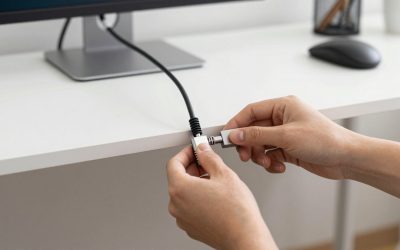
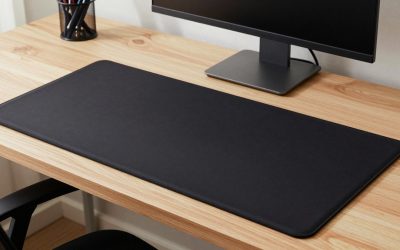
See also: Best Ways to Organize Cables Behind a Desk • Best Gaming Desk Pads for Full Desk Coverage
The viral claim that sitting kills you faster than smoking oversimplified important research. The actual studies showed that people who sit 8+ hours daily AND get no exercise have elevated mortality risk. People who sit 8 hours but exercise 30-60 minutes daily had similar health outcomes to people who sit less. The takeaway: prolonged inactivity is the real problem, not sitting per se.
This matters because switching to standing-all-day doesn’t actually solve inactivity — you’re still in one static posture, just vertical instead of horizontal. The real health solution is movement variety throughout the day.
What Sitting All Day Actually Does to Your Body
Documented Effects
- Hip flexor shortening: Hours in seated position adapt these muscles to short positions, restricting hip mobility
- Glute deactivation: Sitting on glutes for hours teaches them to disengage; weak glutes contribute to lower back pain
- Forward head posture: Looking at monitors below eye level creates chronic neck strain
- Reduced circulation in legs: Particularly with crossed legs or in deep chairs
- Metabolic slowdown: Less muscle activation reduces calorie burn versus active postures
- Eye strain: Fixed-distance focus on screens contributes to myopia progression
What Sitting Doesn’t Cause
Despite popular claims, sitting itself doesn’t directly cause heart disease, diabetes, or cancer. These conditions correlate with sedentary lifestyles but causation involves multiple factors. Healthy active people who happen to work seated jobs don’t show elevated disease risk.
9
ENHANCE Metal Pegboard Desk Organizer (18 x 14 in) Clamp On Desk Peg Board with 14 Attachments, Pegboard Shelf and Pegboard Hooks, Desktop Organizer for Home Office, Crafts, or Gaming Setups
In Stock


As an Amazon Associate we earn from qualifying purchases. Product prices and availability are accurate as of the date/time indicated.
What Standing All Day Does to Your Body
Documented Effects
- Varicose vein development: Hours of standing without movement strains leg circulation
- Lower back pain: Standing with poor posture or on hard surfaces creates compression
- Knee and foot fatigue: Bearing weight for hours stresses joints
- Reduced focus on detailed tasks: Studies show standing improves alertness but reduces fine-motor performance
Documented Benefits
- 15-30% more calories burned per hour vs sitting (real but modest)
- Better blood sugar response after meals when standing 30+ minutes
- Reduced shoulder and neck tension with proper monitor height
- Improved alertness and energy in the short term
The Hybrid Approach: What Science Actually Recommends
Current ergonomics research recommends alternating between sitting and standing throughout the day. Specific recommendations:
- Sit for 30-50 minutes, then stand for 5-15 minutes
- Aim for 2-4 hours of standing per 8-hour workday (not 8 hours of standing)
- Move every 30-60 minutes — even brief walking is more beneficial than position changes
- Vary your sitting posture too — different chair adjustments throughout day
Building a Hybrid Workspace
Adjustable Standing Desk
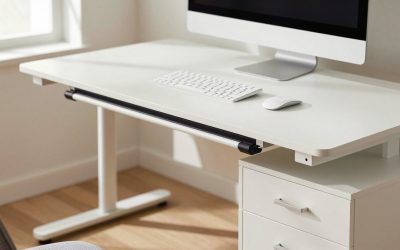
The foundation of a hybrid setup. Electric adjustable desks ($400-$1,500) let you change height with one button press. Manual crank desks ($200-$400) work but the friction discourages position changes. Standing desk converters ($150-$500) sit on existing desks if you can’t replace yours.
9
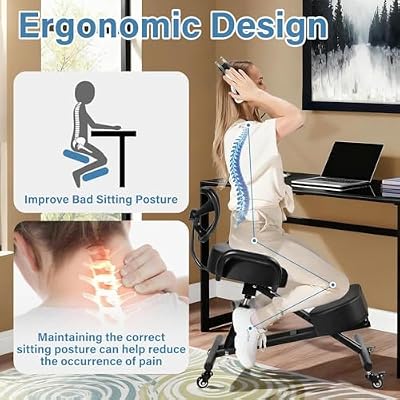
Ergonomic Kneeling Chair with Back Support, Height Adjustable Stool for Home and Office, PU Kneeling Chair for Desk to Relieve Back Discomfort, Thick Moulded Foam Cushions Brake Casters
In Stock




As an Amazon Associate we earn from qualifying purchases. Product prices and availability are accurate as of the date/time indicated.
Anti-Fatigue Mat
Essential for standing comfort. Hard floors compress feet and joints rapidly. Quality anti-fatigue mats (Sky Solutions, Imprint) reduce fatigue significantly. Mats with raised edges or contoured surfaces encourage small foot movements that improve circulation.
Quality Office Chair
Your chair matters as much as your desk. Look for adjustable seat height, depth, armrest height/width, lumbar support, and tilt tension. Mid-range ergonomic chairs ($300-$700) like the Herman Miller Sayl, Steelcase Series 1, or HON Ignition outperform expensive luxury chairs for most users.
Monitor at Eye Level
Regardless of standing or sitting, the top of your monitor should be at or slightly below eye level. Monitor arms or stands fix the near-universal problem of monitors set too low. This single ergonomic change resolves more neck pain than any other adjustment.

As an Amazon Associate we earn from qualifying purchases. Product prices and availability are accurate as of the date/time indicated.
Hybrid Setup Mistakes to Avoid
- Standing all day “to maximize health”: Counter-productive. Causes new problems while creating illusion of healthy behavior.
- Cheap desk converter that’s hard to adjust: If switching positions takes effort, you won’t do it. Invest in smooth, fast adjustment.
- Standing without proper monitor height: Standing with monitor at sitting height creates worse neck strain than sitting did.
- Forgetting to actually move: Position changes aren’t movement. Walk for 5 minutes between sit/stand transitions.
- Wearing dress shoes while standing: Supportive sneakers or specialized work shoes prevent foot fatigue. Many users keep “standing shoes” at their desk.
Who Benefits Most From Standing Desks
- People with back pain: Position variation often reduces symptoms significantly
- Pregnancy: Standing options help during phases when sitting becomes uncomfortable
- Post-surgery or injury recovery: Adjustable height accommodates healing
- Tall users (6’2″+): Standard desks force hunching; standing position allows proper monitor and keyboard heights
- Short users (under 5’2″): Adjustable height brings work to proper position
Who Should Be Cautious With Standing Desks
- People with varicose veins or circulation issues: Talk to doctor before extending standing time
- Knee or hip arthritis: Prolonged standing can worsen joint pain
- Plantar fasciitis: Standing on hard surfaces aggravates this condition without proper footwear and mats
Movement Strategies Beyond Standing
The most underrated workspace habit isn’t standing — it’s regular movement. Build these into your day:
- Pomodoro work intervals: 25-minute focused work, 5-minute movement break (walk, stretch, water refill)
- Walking meetings: 1-on-1s by phone while walking around the block or office
- Hourly mobility breaks: Set alarms to stand, stretch, walk for 2-3 minutes
- Take stairs: Avoid elevators when within 2-3 floors
- Park farther: Add 5-10 minutes of walking to your commute
- Stretching at desk: Hip flexor stretches, shoulder rolls, neck rotations
Treadmill Desks and Active Workstations
Treadmill desks let you walk slowly (1-2 mph) while working. Research shows real metabolic benefits without major productivity loss for tasks like email, calls, and reading. Typing and detailed work decline somewhat at walking pace. Best as one mode of a multi-mode setup, not a full-day replacement.
Under-desk ellipticals and bike pedals offer cheaper alternatives. They’re better than nothing but provide less benefit than actual walking.
- ▸ Open a free Amazon Business account
- ▸ Start an Audible Premium Plus free trial
Frequently Asked Questions
How many calories does standing burn versus sitting?
Approximately 0.15 calories per minute extra (8-10 calories per hour). Over 8 hours of standing instead of sitting, that’s 60-80 extra calories — equivalent to a short walk. Real but modest.
How long should I stand each day?
2-4 hours total in 15-30 minute blocks, alternating with sitting. Build up gradually if you’re new to standing — start with 15 minutes hourly and increase over weeks.
Are standing desks worth the cost?
For most desk workers, yes. The ability to vary posture reduces back, neck, and shoulder discomfort significantly. $400-$800 buys excellent adjustable desks that last 10+ years. Worth more than equivalent investment in cheaper chairs.
Can I use my existing desk?
Yes, with a desk converter (FlexiSpot, Vivo, Ergotron). These sit on your existing desk and raise the workspace for standing. Less stable than full standing desks but $150-$400 entry point.
What’s the best position for keyboard and monitor when standing?
Elbows at 90 degrees with shoulders relaxed (keyboard at this height). Top of monitor at eye level or slightly below. Wrists straight, not bent up or down. These positions match sitting ergonomics — your body needs the same alignment regardless of posture.
Final Thoughts
The standing-versus-sitting debate misses the real point: prolonged static posture in any direction creates problems, while regular movement and posture variation maintain health. A hybrid setup with adjustable desk, quality chair, anti-fatigue mat, and monitor at proper height enables the best of both worlds. Add intentional movement breaks throughout your day, and the specific mix of sitting time versus standing time becomes secondary. Workplace ergonomics isn’t about finding the magic posture — it’s about avoiding any single posture for too long. Build that variety into your setup and you’ll feel the difference within weeks.
Related Reviews & Guides


6 Best Computer Desk Floor Mats For Carpet 2026

5 Best Flexispot Standing Desk Converters 2026