Last Updated: September 29, 2026
Comparing ergonomic chairs is harder than comparing most products because comfort depends on your body, your desk and how you sit. Two chairs with identical feature lists can feel completely different. This guide explains how to compare ergonomic chairs fairly, which features matter most, and how to weigh budget, mid-range and premium options for your own use case.
📄 In This Review
Quick answer: Our top pick in 2026 is the Budget — our #1 rated choice. See the full ranked comparison, alternatives and buying advice below.
Start with fit, not features
The most important comparison is how a chair fits your body. Measure your height, seated thigh length and hip width, then compare them with each chair’s seat height range, seat depth and seat width. A chair that fits well with fewer features beats a feature-rich chair that does not fit.
Seat height
For most adults, the ideal seat height is around 16 to 21 inches from the floor. Petite users may need a lower minimum; tall users a higher maximum.
Seat depth
You should be able to sit with your back against the backrest and leave two to three finger widths between the seat edge and the back of your knees. Adjustable seat depth widens the fit range dramatically.
Compare the adjustments that matter
See also: Best Roku Streaming Deals Reviewed • Olipop Flavors Ranked: Best Tastes from Worst to Best
Lumbar support
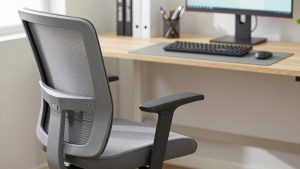
Adjustable lumbar (height and ideally depth) is more valuable than a fixed curve. Dynamic lumbar that moves with you suits active sitters.
Armrests
Multi-directional arms help keep elbows close to your body and shoulders relaxed. Fixed arms work only if they happen to match your desk height.
Tilt mechanism
Synchro-tilt keeps feet grounded while reclining. A reliable tilt lock at an upright position supports focused work.
Headrest
Helpful for reclined reading and calls, less important for upright typing.
Ergonomic chair comparison by tier
Typical features and trade-offs by price tier; individual chairs vary.
| Tier | Typical price | Common features | Main trade-off |
|---|---|---|---|
| Budget | $100 to $300 | Mesh back, basic tilt, fixed or height-only arms | Limited fit range |
| Mid-range | $300 to $700 | Seat depth, adjustable lumbar, multi-way arms | Materials less refined |
| Premium | $900 to $1,800+ | Advanced back systems, long warranties | High upfront cost |
| Refurbished premium | $400 to $900 | Premium design at lower price | Warranty varies |
| Gaming-style | $300 to $700 | High back, cushioned, deep recline | Warmer, bolsters |
Compare materials and climate
Mesh backs run cooler, foam backs feel plusher, and leatherette wipes clean but gets warm. In warm rooms, mesh or fabric is usually more comfortable over long sessions.
Compare by budget tier
Budget chairs often offer mesh backs and basic adjustments. Mid-range chairs add seat depth, adjustable lumbar and better arms. Premium chairs add refined materials, advanced back systems, long warranties and strong resale value. Refurbished premium chairs can be a smart middle ground.
Compare durability and ownership cost
Warranty length, parts availability and weight rating predict how long a chair will last. A chair that costs more but lasts ten years and can be repaired may cost less per year than a cheap chair replaced every two years.
A quick way to compare is to divide the purchase price by the realistic years of use. A $300 chair that lasts three years costs about $100 per year, while a $900 chair that lasts twelve costs about $75 per year and usually feels better every one of those days.
How to run your own side-by-side test
If you can try chairs in a showroom or order from retailers with generous return windows, test them the same way. Set each chair up properly before judging it: seat height, seat depth, lumbar and arms. Then sit for at least 20 minutes doing real work rather than bouncing in the seat for 30 seconds.
Note three things: where you feel pressure first, whether your feet stay flat without effort, and whether your shoulders stay relaxed with forearms supported. The chair that produces the fewest complaints on those three checks usually wins over a full workday, regardless of which has the longer feature list or the more impressive recline.
FAQ
What is the most important feature when comparing ergonomic chairs?
Fit comes first: seat height, seat depth and seat width must match your body. After that, adjustable lumbar and arms matter most.
Are premium chairs worth it?
For long daily sessions and long ownership, premium or refurbished premium chairs often deliver better comfort and lower cost per year.
Bottom line
Compare ergonomic chairs by fit first, then adjustments, materials and durability. Budget chairs suit moderate use, mid-range chairs cover most long-hour workers and premium or refurbished premium chairs offer the best long-term value. The right chair is the one that fits your body and your workday.
Ready to decide? Our #1 pick for 2026 is the Budget.
Live price & availability on Amazon.
Related Reviews & Guides
How to Raise an Office Chair Without a Lever

Olipop Flavors Ranked: Best Tastes from Worst to Best